What Is Connected Worker Manufacturing?
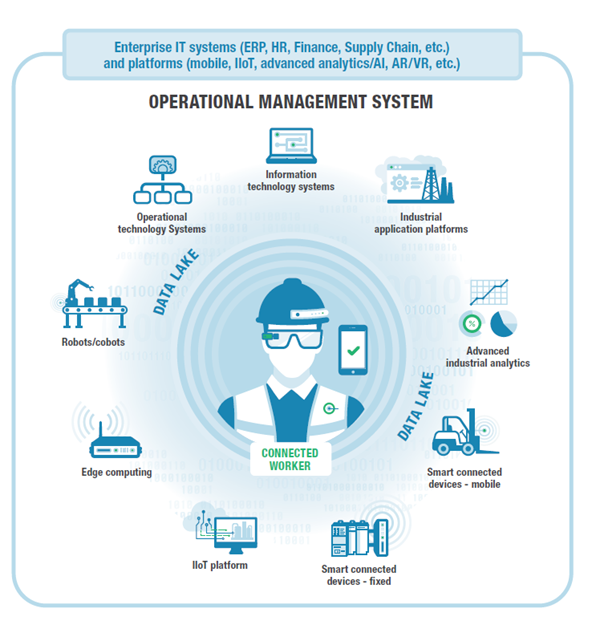
Manufacturers face real friction when choosing platforms for connected worker manufacturing. Marketing materials often highlight features. They gloss over rollout speed and device compatibility. They also overlook data ownership and governance requirements that matter on the plant floor. Operations leaders need to match platform strengths against actual constraints. These include legacy system integration, multi-site consistency, and audit trails. All must be checked before committing resources. In practice, existing barcode scanners may not sync with a new platform. Custom middleware must be added first. This pushes the timeline back by weeks or months. Data ownership clauses in contracts can prevent exporting shift handover records to corporate historians. They create compliance issues during audits.
The decision process grows more complex when teams must replace paper-based workflows with digital instructions, inspections, and shift handovers. Connected worker manufacturing solutions promise faster issue resolution and better data capture. Yet buyers quickly discover that integration depth and deployment flexibility vary sharply across vendors. This comparison examines five platforms side by side. Teams can shortlist options that fit their specific environment. They avoid chasing generic promises. Practical tip: start by mapping every paper form currently used on the floor to its digital equivalent. Note which systems already hold the source data. That single exercise often reveals whether a worker platform will truly reduce duplicate entry. Or it may simply move the friction to another screen.
Connected worker manufacturing appears repeatedly in vendor discussions. Yet practical fit depends on how each platform handles real production constraints. The sections below map those differences in concrete terms. Platforms succeed in digitizing lockout-tagout procedures across shifts. They allow offline caching on rugged tablets. This ensures operators can complete checks even during network outages common in older buildings.
Weighing the Options
Choosing a platform for connected worker manufacturing requires looking past feature lists. It focuses on integration patterns, device support, and governance controls. The table below compares five established options across the dimensions that matter most during plant evaluations.
| Vendor/workstream | Primary connected worker manufacturing strength | Integration approach (systems of record) | Device and workflow coverage | Governance and auditability | Deployment model fit (single site vs multi-site) | Data flow and analytics readiness | Typical time-to-pilot considerations |
|---|---|---|---|---|---|---|---|
| Corvex connected worker | Fast mobile-first task management for frontline teams | REST APIs and prebuilt connectors to CMMS and ERP systems | Mobile apps plus rugged tablets; strong on digital work instructions | Role-based permissions with exportable audit logs | Single-site deployments scale with added sites through configuration | Event streams feed dashboards; limited native advanced analytics | Pilot often ready in four to six weeks when APIs are open |
| Aveva connected worker | Deep ties to process historian and HMI data | Native links to Aveva System Platform and Wonderware | Desktop, mobile, and operator terminals; broad inspection templates | Strong version control and electronic signatures for regulated industries | Multi-site templates reduce configuration drift across plants | Historian integration supports real-time and historical analytics | Pilot timeline stretches to eight weeks when historian mapping is complex |
| Honeywell connected worker | Unified safety and operations workflows in high-hazard settings | Connects to Honeywell Forge and third-party historians | Wearables, handhelds, and fixed kiosks; safety-centric procedures | Compliance modules aligned with OSHA and PSM requirements | Enterprise licensing supports global rollouts with central policy control | Analytics layer built on Honeywell Forge cloud services | Pilot can launch in six weeks when safety procedures are already digitized |
| SAP connected worker | Seamless tie-in to SAP S/4HANA maintenance and quality modules | Direct SAP Fiori and BTP integration paths | Mobile apps plus desktop; strong on maintenance notifications | SAP governance framework with change logs and authorization objects | Multi-site deployments benefit from existing SAP landscape | Real-time data flows into SAP Analytics Cloud | Pilot often requires eight to ten weeks due to master data alignment |
| Hexagon connected worker | Asset-centric workflows tied to Hexagon EAM | Connectors to Hexagon EAM and selected third-party CMMS | Rugged devices and AR glasses; emphasis on asset inspections | Audit trails integrated with EAM change management | Single-site pilots expand through standardized asset templates | Data pipelines feed Hexagon Smart M.App analytics | Pilot timeline averages six weeks when asset hierarchy exists |
Teams evaluating connected worker manufacturing platforms should map their own integration points against the rows above. For example, sites already running SAP maintenance modules often find the SAP row reduces custom development. Plants with heavy historian use lean toward Aveva or Honeywell. Those platforms pull process data without extra middleware. Device coverage also varies. Corvex favors quick mobile rollout. Hexagon supports augmented reality for complex asset checks. A practical tip here is to bring the actual devices used on the floor into the vendor demo. Testing reveals whether preferred rugged scanners will pair reliably with the platform. The follow-up piece Governance checklist using connected worker platform audit trail… covers this in more practical detail. For the adjacent problem, corvex connected worker integrations guide to real-world IT fit goes deeper into the specifics. The follow-up piece Connected worker software FAQ for manufacturing buyers covers this in more practical detail.
Integration Realities Across Vendors
Beyond the table, integration depth often determines long-term success. Corvex connected worker shines when teams need rapid REST API connections to existing CMMS tickets. Yet it may require additional work to surface historian tags. Aveva connected worker, by contrast, natively surfaces Wonderware alarms. Operators see context without switching apps. Honeywell connected worker adds value in high-hazard zones. It pulls both safety permits and process variables into one view. SAP connected worker keeps everything inside the S/4HANA ecosystem. This appeals to finance teams tracking maintenance costs in real time. Hexagon connected worker excels when asset hierarchies already live in their EAM. Inspection routes auto-populate from equipment records.
Teams evaluating connected worker manufacturing platforms should map their own integration points against the rows above. For example, sites already running SAP maintenance modules often find the SAP row reduces custom development. Plants with heavy historian use lean toward Aveva or Honeywell. Those platforms pull process data without extra middleware. Device coverage also varies. Corvex favors quick mobile rollout. Hexagon supports augmented reality for complex asset checks.
Deployment models further separate the options. Honeywell and SAP provide stronger central governance for multi-site programs. Corvex and Hexagon allow faster single-site starts that later replicate. Data flow readiness determines how quickly teams move from pilot data to continuous improvement dashboards. Most organizations discover during evaluation that analytics readiness depends on existing historian or ERP investments. It does not depend on the worker platform alone. Running a short shadow pilot reveals exactly where data quality would break before go-live. Operators continue using paper. The platform captures the same data in the background.
Pros and Cons
Buyer priorities usually cluster around four areas. These are integration speed, standardized governance, on-floor device breadth, and manufacturing analytics enablement. Corvex connected worker earns quick wins on integration speed and device simplicity. Yet it requires extra work when advanced analytics become necessary. Aveva connected worker delivers strong historian ties and governance controls. It extends pilot timelines when custom templates are needed. Building inspection templates can require extra weeks. Existing graphics need remapping to match regulatory phrasing.
Honeywell connected worker excels in safety-regulated environments and multi-site policy control. Device options remain narrower than pure mobile platforms. SAP connected worker reduces integration friction inside SAP landscapes. It lengthens timelines when master data cleanup is required. Hexagon connected worker supports detailed asset inspections and AR workflows. It depends on existing EAM data quality for smooth rollout. Organizations that already maintain clean asset hierarchies in Hexagon EAM often report faster adoption. Operators recognize familiar equipment tags on their screens.
Organizations prioritizing rapid mobile deployment often shortlist Corvex connected worker first. Teams needing tight historian linkage or regulatory audit trails frequently retain Aveva or Honeywell on the shortlist. SAP remains relevant when the broader ERP footprint already exists. Hexagon fits when asset inspection depth outweighs speed of initial rollout. Organizations that choose a platform for its speed may later add a lightweight analytics layer from a third party. Hybrid approaches can fill gaps without switching platforms entirely.
Pilot with plant stakeholders
Use the comparison table to narrow options to two or three platforms. These should match your dominant constraints around integration, governance, and device needs. Then run a short pilot with plant stakeholders to validate actual workflow fit before scaling. Focus the pilot on one production line or inspection route. Measure time saved, data quality, and exception handling speed. Include frontline operators in the measurement sessions. Their feedback on whether the interface feels faster than paper often decides adoption rates.
Create a simple checklist that includes open APIs to your CMMS or historian. It must cover mobile device support for current rugged hardware. It also needs role-based audit logging and multi-site template reuse. Validate each item with maintenance, quality, and safety owners before purchase. When comparing options, Vardian connected worker manufacturing is worth a look as well. It emphasizes practical workflow orchestration without forcing platform lock-in. This measured approach keeps connected worker manufacturing projects aligned with real operational requirements. It avoids vendor roadmaps. Finally, schedule a post-pilot review that includes both quantitative metrics and qualitative stories from operators. Leadership sees both the numbers and the human impact before committing to a full rollout.
You May Also Like
- Parsable vs Redzone vs Hexagon for Connected Worker Manufacturing: Where Each Typically Fits
- When Corvex, Aveva, Honeywell, and SAP Overlap: Choosing by Manufacturing Outcome
- Connected Worker Platform Fit for Manufacturing Integrations: A Checklist for Data, Devices, and Governance
Related Posts
Connected Worker Platform Fit for Manufacturing Integrations: A Checklist for Data, Devices, and Governance
Connected Worker Platform Fit for Manufacturing Integrations: A Checklist for…

Sequencing rollout adopting connected worker solution for unionized workforces
Why Trust and Clarity Matter More Than Technology in Rollout…
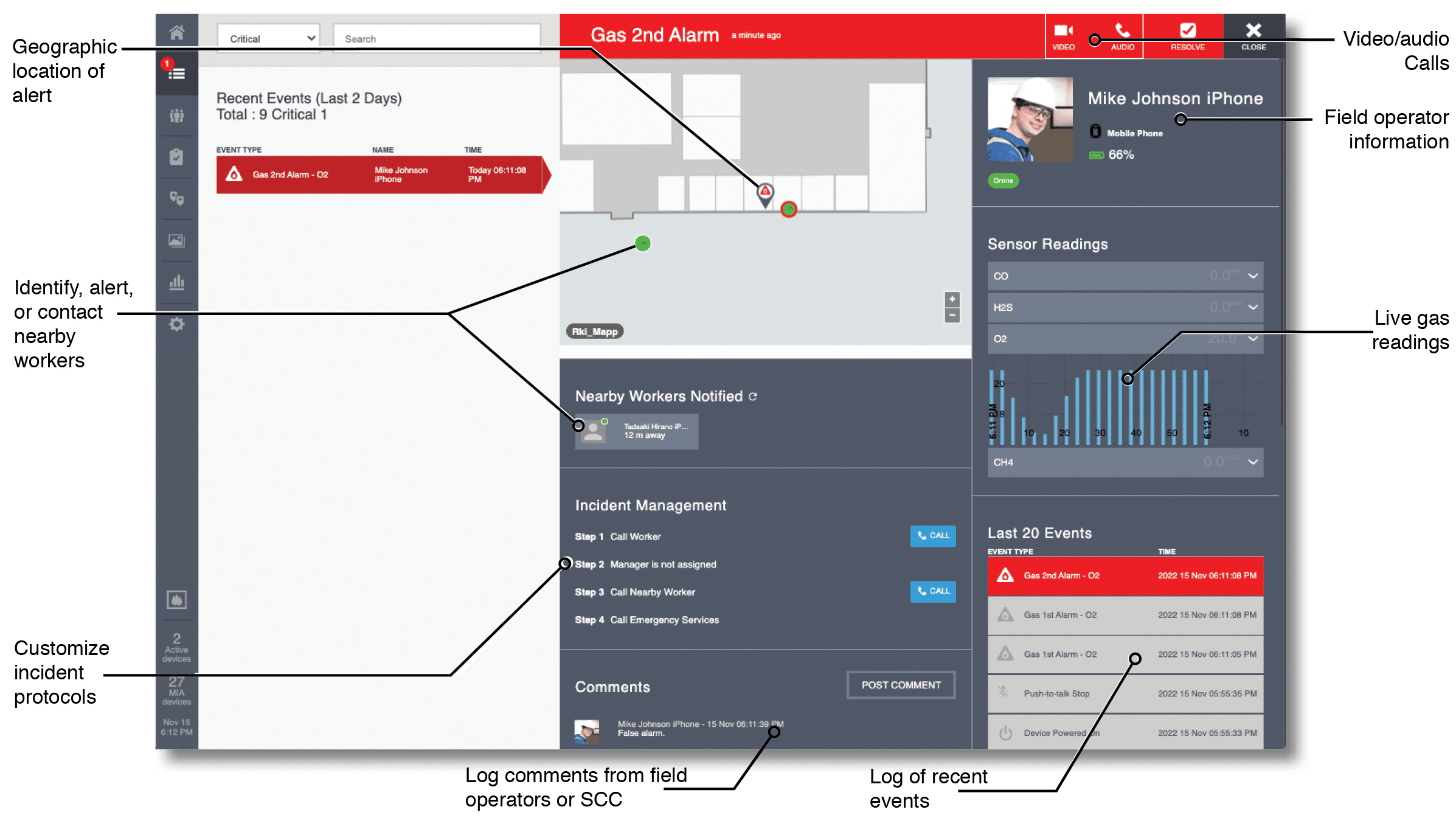
Safety alerts via connected industrial worker from detection to escalation
Real-time safety alerts with connected industrial worker workflow from event…