
Why Manufacturing Teams Turn to Connected Worker Software
Manufacturing buyers face constant pressure. They must replace paper forms and disconnected spreadsheets. New systems capture real-time data from the floor. Connected worker software FAQ for manufacturing buyers addresses practical questions. These questions surface during evaluation. They range from evidence capture to security reviews. This guide focuses on topics procurement teams raise most often. Teams compare platforms for inspections, maintenance, and shift handovers. Many plants discover legacy paper processes create hidden costs. Costs arise through lost records, delayed escalations, and inconsistent training across shifts. Digital platforms become essential during audits or rapid growth periods.
Connected worker software FAQ for manufacturing buyers helps operations leaders separate marketing claims from actual workflow fit. Readers will find concrete details on offline performance, audit trails, and rollout considerations. These details matter in regulated plants. Procurement teams frequently compare total cost of ownership across three to five vendors. They include hidden fees for integrations and device management before making final selections.
Direct Answers on Platform Scope
A connected worker platform combines mobile apps, workflow engines, and data integration layers. Frontline teams receive digital instructions. They record observations and trigger escalations without leaving their stations. Most implementations replace paper checklists within six months. They maintain union agreements on data use. The platform also supports real-time analytics. Analytics help managers spot bottlenecks early. Examples include recurring delays in equipment checks during night shifts. Connected worker software FAQ for manufacturing buyers covers these platform scope questions in depth.
Connected worker software FAQ for manufacturing buyers
What a Connected Worker Platform Actually Includes
Buyers often start by clarifying boundaries. A true connected worker platform includes mobile task execution. It supports evidence capture through photos and sensor readings. It enables automated routing of exceptions to supervisors. It also maintains an immutable log. The log meets 21 CFR Part 11 expectations for electronic records in FDA-regulated facilities. Without these core pieces, systems remain simple digital forms. They do not become operational platforms. Plants that add barcode scanning and Bluetooth gauge integration commonly see task completion times drop noticeably. In practice, this means operators can scan parts directly at the station. They receive instant confirmation that the correct torque value was applied. Connected worker software FAQ for manufacturing buyers explains these inclusions clearly.
Integration with existing CMMS and historian systems forms another requirement. Teams expect work orders to flow in both directions. Completed digital tasks close tickets automatically. Platforms that cannot expose REST APIs or support OPC UA usually fall out of consideration during technical reviews. Some sites further extend this by linking to ERP systems. They enable automatic inventory updates when spare parts are consumed during a maintenance task.
Offline Performance and Sync Expectations
Manufacturing environments contain areas where Wi-Fi drops or cellular signals weaken. Effective solutions cache full work instructions. They allow data entry without connectivity. Then they reconcile changes once the device returns to range. Typical sync windows run under thirty seconds for batches of fifty records. Buyers should test this behavior on actual shop-floor devices rather than office networks. The phrase connected worker platform for manufacturing shift teams device and network requirements appears frequently in vendor RFPs. It forces vendors to document exactly which tablets, rugged phones, and network configurations they support. A practical tip is to simulate worst-case scenarios. Walk the full production floor with a test device. Verify no data loss occurs in shielded zones. Connected worker software FAQ for manufacturing buyers guides these offline evaluations.
In most systems, operators can use cached forms during planned network outages. They still meet compliance deadlines without paper backups.
Security Approval and Governance Workflows
IT and compliance teams require documented evidence. The platform meets corporate standards for role-based access, encryption at rest, and change control. connected worker security checklists usually cover single sign-on through Active Directory. They include granular permission sets that prevent operators from altering procedures. They also include exportable audit trails that survive external inspections. The phrase connected worker platform governance checklist audit trail regulated manufacturing plants shows up in many internal approval documents. It captures the exact artifacts auditors request. Teams should also request SOC 2 Type II reports and review data residency options early in the process. This avoids later delays. Connected worker software FAQ for manufacturing buyers addresses governance workflows directly. The follow-up piece Common Questions About a Connected Worker Platform covers this in more practical detail.
Many food processors require several weeks of penetration testing. They need formal data-processing addendums before allowing the platform onto the plant network. Sites often route exception photos through approved cloud tenants with region-specific storage. Pharmaceutical facilities commonly add multi-factor authentication layers on top of vendor defaults. This satisfies internal policies.
Evidence Capture and Quality Incident Prevention
Digital work instructions improve consistency only when they force capture of objective evidence. Leading platforms require a photo or sensor reading at critical steps. They allow the task to advance only after this step. This approach commonly reduces repeat quality incidents when linked to statistical process control databases. Build an ROI worksheet that connects work orders, quality outcomes, and evidence when calculating payback. Subjective estimates rarely survive finance reviews. Consider adding mandatory fields for serial numbers or batch codes. This creates full traceability without extra manual logging. Connected worker software FAQ for manufacturing buyers highlights evidence capture benefits.
Another common request involves shift handovers. Platforms that timestamp every observation and attach supporting media give incoming crews immediate visibility into overnight issues. They avoid relying on verbal briefings that can be forgotten. This feature often proves valuable where incoming teams avoid repeating the same adjustment errors after reviewing detailed overnight photos.
Change Management for Unionized Workforces
Rollouts succeed when operators participate in procedure digitization from the start. connected worker solution change management rollout plans typically begin with small pilot areas. Workers help refine screen layouts and alert thresholds. Once the pilot group reports time savings, broader adoption follows more smoothly. Training materials should remain on the device itself rather than in separate binders that quickly disappear. A useful approach is to create short video walkthroughs recorded by experienced operators. Embed them directly in the app for on-demand reference. Connected worker software FAQ for manufacturing buyers covers change management strategies.
Supervisors also need visibility into which tasks are running late. They must avoid creating a surveillance atmosphere. Dashboards that highlight aggregate completion rates rather than individual performance usually receive better acceptance during union discussions. Several sites have reported higher engagement when they allow operators to suggest workflow improvements. These suggestions are then reviewed in monthly feedback sessions.
Integration with Existing Training and Knowledge Systems
Many buyers also ask how connected worker platforms connect to learning management systems. The best solutions embed short refresher modules or step-by-step guides. These appear automatically when an operator encounters an unfamiliar task for the first time. This reduces the need for separate classroom training. It keeps knowledge current without pulling workers off the floor.
In Short
- Define platform boundaries early so vendors propose solutions that actually replace paper workflows.
- Test offline sync on real devices inside production areas before signing contracts.
- Require exportable audit trails that satisfy the strictest regulator your plant faces.
- Include operators in pilot design to surface practical constraints that desk reviews miss.
- Link evidence capture directly to quality and maintenance systems for measurable ROI.
What People Ask
How long does a typical rollout take for a mid-size plant?
Most plants complete the first pilot area in eight to twelve weeks. They start with a single production line and two dozen users. Full site deployment usually stretches to six months once integrations, training, and validation steps are added. The timeline shortens when existing work instructions already exist in digital format. Some facilities accelerate the process by running parallel validation on two lines at once.
Does the software replace our current CMMS?
No. The platform works alongside the CMMS by pulling work orders, recording completion data, and pushing updates back. Most sites keep their existing maintenance system as the system of record. The connected worker layer handles execution and evidence collection on the floor. This layered approach avoids costly rip-and-replace projects. Such projects often face resistance from maintenance teams.
What happens if a device is lost or stolen?
Remote wipe capabilities combined with short session timeouts limit exposure. All data remains encrypted at rest. Access requires both device certificates and user credentials. IT teams receive immediate alerts when a device goes offline unexpectedly. Many vendors also offer insurance programs that cover rapid device replacement to minimize downtime.
Can we keep paper as a backup?
Hybrid approaches create version-control problems and slow audits. Most sites move to fully digital within the first quarter once they confirm reliable offline caching. Paper remains only for rare emergency procedures that fall outside normal workflows. Many suppliers find that maintaining paper for even one procedure leads to inconsistent records. They eventually phase it out entirely.
How do we measure success after go-live?
Track task completion time, exception escalation speed, and repeat incident rates. Plants that connect these metrics to the connected worker platform for manufacturing shift teams device and network requirements usually see payback inside nine months. Payback comes through reduced rework and faster compliance reporting. Consider adding a monthly review meeting with cross-functional stakeholders. Review these KPIs and adjust thresholds as needed.
What training is required for operators with limited tech experience?
Most platforms use intuitive interfaces that mimic familiar smartphone apps. Training often takes less than two hours per person. Hands-on practice sessions during the pilot phase help build confidence quickly. Built-in help features reduce the need for ongoing support calls.
Next Steps for Evaluation Teams
Start by mapping current paper processes to digital equivalents. Identify the three highest-volume tasks. Request vendor demonstrations that use your actual work instructions rather than generic templates. Include both operations and IT stakeholders in the first pilot review. Security and usability concerns surface early. The write-up at Connected worker software FAQ for manufacturing buyers expands on similar rollout patterns observed in energy facilities facing comparable regulatory demands. Once pilot data shows clear time savings, scale the remaining areas with the same governance checklist already validated. Finally, schedule quarterly business reviews with the vendor. Review new features and ensure the platform continues to meet evolving plant needs. Connected worker software FAQ for manufacturing buyers supports these evaluation steps.
- Evidence flow comparison for connected worker inspection management
- Connected worker inspection management comparison: point-of-work evidence to escalation
- Generate the most common questions users ask about connected worker software: evidence, security, offline work, and unions
- Audit inspection management with connected worker software: platform comparison by evidence flow
- Connected worker solution rollout for unionized frontline workforces: sequencing that protects trust
Related Posts
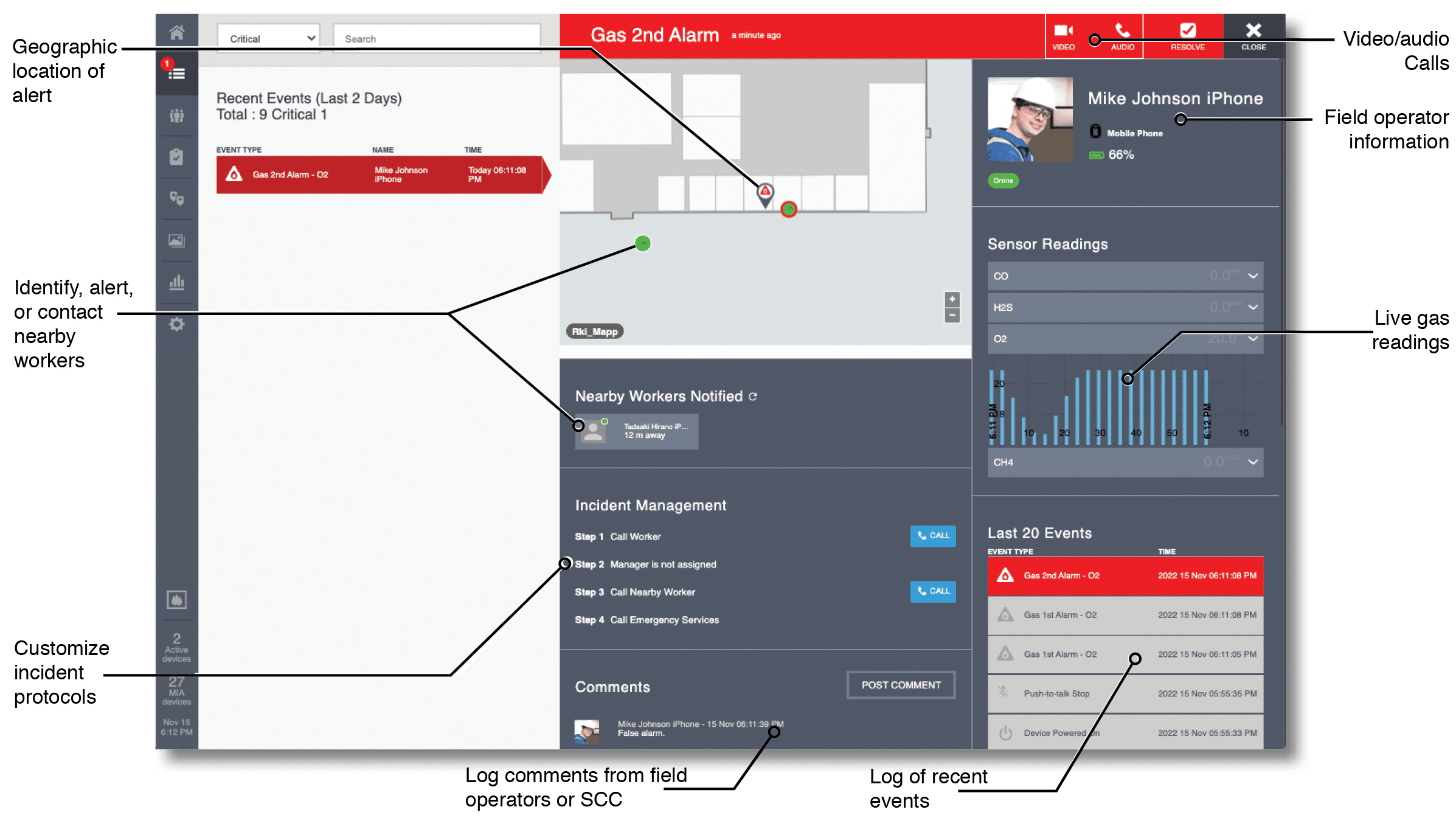
Safety alerts via connected industrial worker from detection to escalation
Real-time safety alerts with connected industrial worker workflow from event…
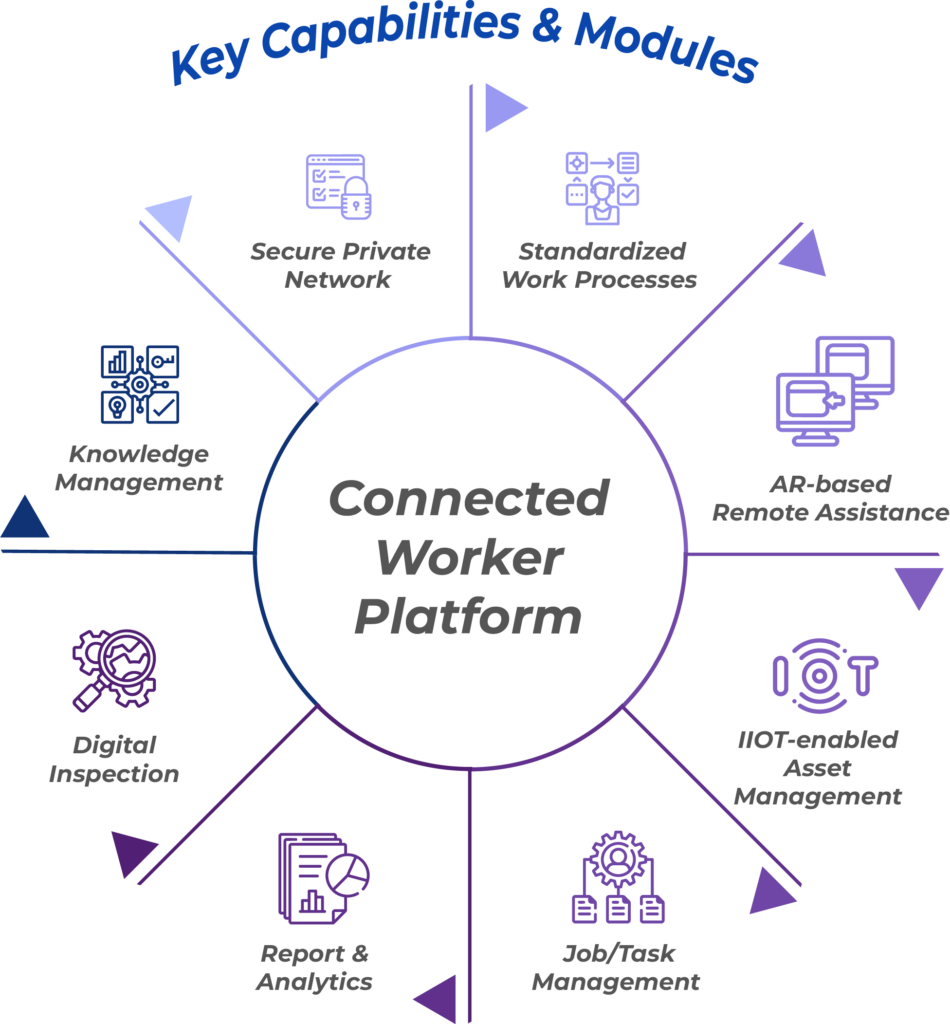
Connected worker platform selection checklist for integrations, devices, and governance
Connected worker platform selection checklist for integrations, devices, and governance…
Which value categories belong in your connected worker ROI model
Connected Worker ROI Models Need Clear Value Categories Connected Worker…