Assessing Integration Risks in Manufacturing Environments

Shift-based manufacturing plants face unique pressures when adding connected worker tools to legacy systems. Teams must balance real-time data flows from floor devices with strict rules around identity, network segmentation, and audit trails. The Connected worker platform integration security scorecard offers a repeatable way to score these elements before any rollout begins. In many facilities, operators on rotating crews report that rushed integrations create friction during peak production hours. This leads to workarounds that undermine security. A well-designed scorecard surfaces these tensions early. Both day and night shifts can adopt the platform without sacrificing compliance or speed.
Connected worker platform integration security scorecard for shift-based manufacturing deployments helps IT and OT groups quantify gaps in device onboarding, data governance, and shift handover processes. This guide walks through the main scoring areas with concrete checkpoints drawn from common industrial standards. When evaluating corvex connected worker integrations guide existing manufacturing it stack security, teams often discover that legacy historian connections require additional middleware. This maintains audit integrity across multiple crews. Plants that apply the scorecard methodically reduce post-deployment surprises. They create a shared vocabulary between procurement, operations, and security stakeholders.
Manufacturing facilities that skip structured evaluation often discover identity conflicts or offline data sync failures only after go-live. A scorecard approach surfaces those issues early. It gives procurement teams a shared language with security architects. One automotive supplier learned this lesson the hard way. Tablets assigned to the night shift retained cached credentials from the previous crew. This triggered false-positive alerts during a routine audit. Incorporating Connected worker platform integration security into the initial review prevents similar oversights. It forces explicit checks on every data path and identity boundary.
Building the Connected Worker Platform Integration Security Scorecard

Device Onboarding and Identity Controls
Every connected worker deployment starts with how tablets, wearables, and handheld scanners join the plant network. Most systems require unique certificates or hardware-bound keys rather than shared passwords. In practice, plants using badge-tap plus PIN see fewer shared-account incidents than those relying on static credentials alone. Adding a quick visual confirmation step reduces tailgating attempts during shift changes. The step displays the operator’s photo on the device screen after authentication. Teams also benefit from testing whether the Connected worker platform integration security supports emergency credential revocation to all active devices. This must happen within sixty seconds of a reported loss or theft.
Score this area by checking whether the platform supports certificate rotation on a schedule that matches shift changes. A common benchmark comes from IEC 62443-3-3. It calls for role-based access tied to individual operators rather than generic operator accounts. If the Connected worker platform integration security cannot enforce per-shift re-authentication without production downtime, deduct points accordingly. For example, a food-processing plant deducted full points when the platform required a full reboot to apply new certificates. This forced operators to wait through the first fifteen minutes of each shift.
Another checkpoint looks at whether the platform logs device location and time of first connection. This data helps during incident reviews when a tablet leaves its assigned zone mid-shift. Plants that already run mobile device management can test integration by pushing a test policy. They confirm the connected worker app honors it within five minutes. Extending this test to include geofencing alerts adds another layer of operational visibility without extra hardware. The alerts notify supervisors when a device crosses zone boundaries.
Network Segmentation and Data Flow Mapping
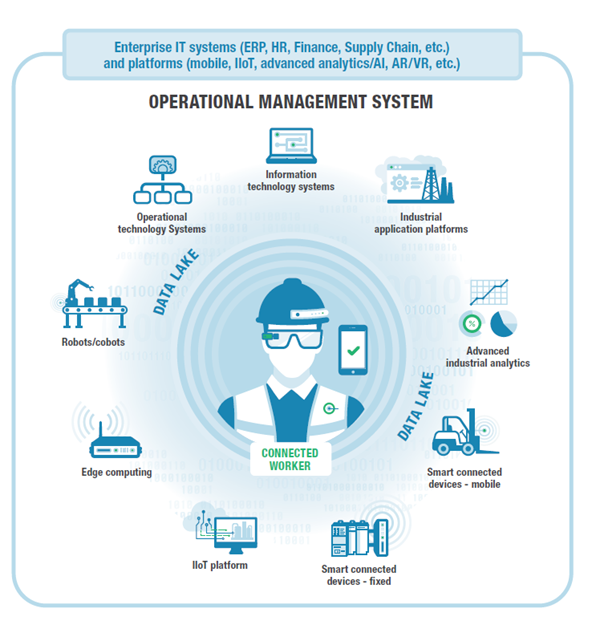
Connected worker platform integration security requires clear mapping of every data path between shop-floor devices and enterprise systems. Traffic should stay inside defined zones rather than crossing directly into the corporate LAN. A practical test involves running a packet capture during a simulated shift handover. It confirms that only approved ports carry operational data. Documenting these flows in a living diagram keeps both IT and OT teams aligned over time. The diagram updates automatically whenever the platform pushes a configuration change.
Many facilities reference NIST SP 800-82 guidance on industrial control system security when setting these boundaries. The document outlines recommended conduits between safety instrumented systems and non-critical applications. Score the platform higher if it supports explicit allow lists instead of broad firewall rules. These rules grow stale over time. One chemical manufacturer gained points by confirming that its connected worker solution could automatically generate these allow lists. It used a simple CSV export of approved data flows.
Offline capability adds another layer. When a tablet loses connectivity for an entire shift, the platform must queue signed records. It reconciles them without creating duplicate entries in the historian. Teams can verify this by disconnecting a device for four hours. They then confirm timestamp integrity upon reconnection. Adding a stress test that simulates three consecutive shifts without connectivity reveals whether the local database can handle peak inspection volumes. It checks for data loss or corruption.
Shift Handover and Evidence Integrity
Shift-based operations generate continuous streams of inspection results, maintenance notes, and quality checks. The platform must bind each record to a specific shift, operator, and product run. Later audits can trace decisions without ambiguity. From device to data governance: scoring Connected worker platform integration security starts with verifying that every form submission carries a cryptographic hash or equivalent tamper-evident marker. Including a simple visual indicator gives operators immediate reassurance that their entries are protected. The indicator is a green checkmark next to each signed record.
Evaluate connected worker integrations: a security-first scorecard for existing manufacturing IT stacks by testing whether the system rejects unsigned entries during reconciliation. In most plants, this requirement surfaces when quality teams attempt to correlate scrap events with specific operator actions. Platforms that store only final aggregates lose the granular detail needed for root-cause work. A packaging facility discovered that its previous solution overwrote intermediate notes during reconciliation. This erased critical context about a recurring equipment jam that occurred only on third shift.
A practical example involves time-stamped SOP steps. When an operator completes a cleaning procedure at 02:15 during the night shift, the record should include the exact SOP revision number and the product batch identifier. This level of binding prevents disputes during regulatory inspections. It supports continuous improvement projects that rely on accurate shift data. Extending the same principle to voice-to-text notes captured on wearables ensures that spoken observations remain attributable even when operators work hands-free.
Governance and Change Management
Long-term success depends on how the platform handles policy updates and role changes across rotating crews. Connected worker platform integration security improves when approval workflows require dual sign-off for changes that affect data retention or access rights. Plants with unionized workforces often add an extra review step. Operators can see proposed changes before they take effect. Scheduling these reviews during overlap periods between outgoing and incoming shifts keeps everyone informed without extending shift length.
Score this dimension by confirming the platform maintains a full audit trail of every configuration change. The trail includes who approved it and on which shift the change became active. Integration with existing identity providers such as Active Directory or Azure AD should preserve group memberships. It avoids forcing manual re-entry of roles after each software update. One metals plant avoided weeks of rework by confirming that its chosen platform could import existing Active Directory groups during the initial migration.
Finally, check how the system surfaces exceptions. When a device fails a compliance check at the start of a shift, the platform should route an alert to both the area supervisor and the security team within the same minute. Delayed notifications reduce the value of the entire scorecard. Problems remain hidden until the next scheduled review. Adding automated escalation to a plant-wide messaging channel further shortens response times during overnight hours. On-site security staff may be limited at those times.
Practical Tips from Implementation Reviews
Start with a single production line
Pilot the scorecard on one line for two full shift cycles before expanding. This reveals whether the chosen platform respects existing network timing requirements without adding measurable latency to operator tasks. Document operator feedback at the end of each cycle to capture usability issues that only appear after repeated use.
Map every offline scenario in advance
Document what happens when tablets lose connectivity for an entire eight-hour shift. Test reconciliation timing and confirm that queued records retain their original timestamps and digital signatures. Include a test case where the device battery dies mid-shift to verify that local storage survives unexpected power loss.
Include OT security in every scoring session
Invite both IT and OT representatives to review device onboarding scores. Their combined input prevents policies that satisfy corporate standards but break real-time control loops. Rotate which OT engineer participates so different process areas contribute perspective over successive reviews.
Re-score after the first software update
Run the full scorecard again within thirty days of any platform patch. Updates sometimes alter certificate handling or data retention defaults in ways that affect shift-based evidence quality. Schedule the re-score during a planned maintenance window to minimize production impact.
Track exception closure time as a metric
Measure how long it takes for the platform to surface and close a compliance exception during shift changes. Shorter closure times indicate stronger integration between the connected worker tool and existing escalation processes. Share monthly closure-time trends with both operations and security leadership to maintain visibility into ongoing performance.
Frequently Asked Questions
How long does a typical scorecard assessment take for a mid-size plant?
Most teams complete the initial scoring in two to three weeks when they already have network diagrams and identity policies documented. The device onboarding section usually requires the most time because it involves hands-on testing across day and night shifts. Subsequent re-scoring after changes takes three to five days.
Can the scorecard apply to plants that still use paper forms for some inspections?
Yes. The device and data-flow sections still apply to any electronic records the plant already keeps. Paper processes simply receive a low score in the evidence-integrity area until they move to a system that supports signed, time-stamped entries tied to specific shifts.
Does the scorecard replace a full penetration test?
No. It focuses on integration readiness and governance gaps rather than discovering zero-day vulnerabilities. Facilities still schedule separate penetration testing on the chosen platform and the surrounding network segments.
What standards provide the most useful benchmarks for scoring?
IEC 62443 and NIST SP 800-82 offer concrete control objectives that map directly to the scorecard categories. Many teams also reference their corporate OT security policy to ensure the final score reflects both external standards and internal requirements.
How often should teams update the scorecard after initial rollout?
Revisit the scorecard after every major software release and after any change to network segmentation or identity providers. Annual reviews also help capture drift that occurs through routine policy updates and staff turnover.
Should the scorecard include mobile device management integration testing?
Absolutely. Adding a dedicated section for MDM policy enforcement ensures that connected worker apps respect corporate rules around encryption, remote wipe, and app updates without requiring separate configuration steps for each shift.
How does the scorecard handle multi-vendor device environments?
Score higher for platforms that publish open APIs and support standard certificate formats across Android, iOS, and ruggedized Windows devices. This flexibility prevents vendor lock-in when plants refresh hardware on different cycles.
Putting the Scorecard into Daily Operations
Once the initial assessment is complete, the real value appears during daily shift handovers. Operators gain confidence that every inspection record carries verifiable identity and timing data. Security teams receive clearer visibility into which devices and applications touch operational information. Over time, the scorecard becomes a living document that guides both new integrations and routine policy refreshes. Many plants now embed a quick five-minute scorecard review into weekly production meetings. Emerging issues surface before they affect audit readiness.
Start by selecting one production area and completing the four scoring sections outlined above. The resulting numbers highlight the highest-impact fixes before broader deployment begins. Connected worker platform integration security improves most when teams treat the scorecard as an operational habit rather than a one-time procurement exercise. Over successive quarters, the accumulated data also helps justify budget requests for additional security tooling or network segmentation upgrades.
Related Posts

What does ‘connected worker’ actually include: platform capabilities versus software features
What does 'connected worker' actually include: platform capabilities versus software…
Vendor-by-Vendor Check for Connected Worker Manufacturing
What Is Connected Worker Manufacturing? What Is Connected Worker Manufacturing?…

Build an ROI worksheet that connects work orders, quality outcomes, and evidence
Why ROI Models Break When Work Orders Stay Disconnected from…