Picking Accuracy in Regulated Supply Chains
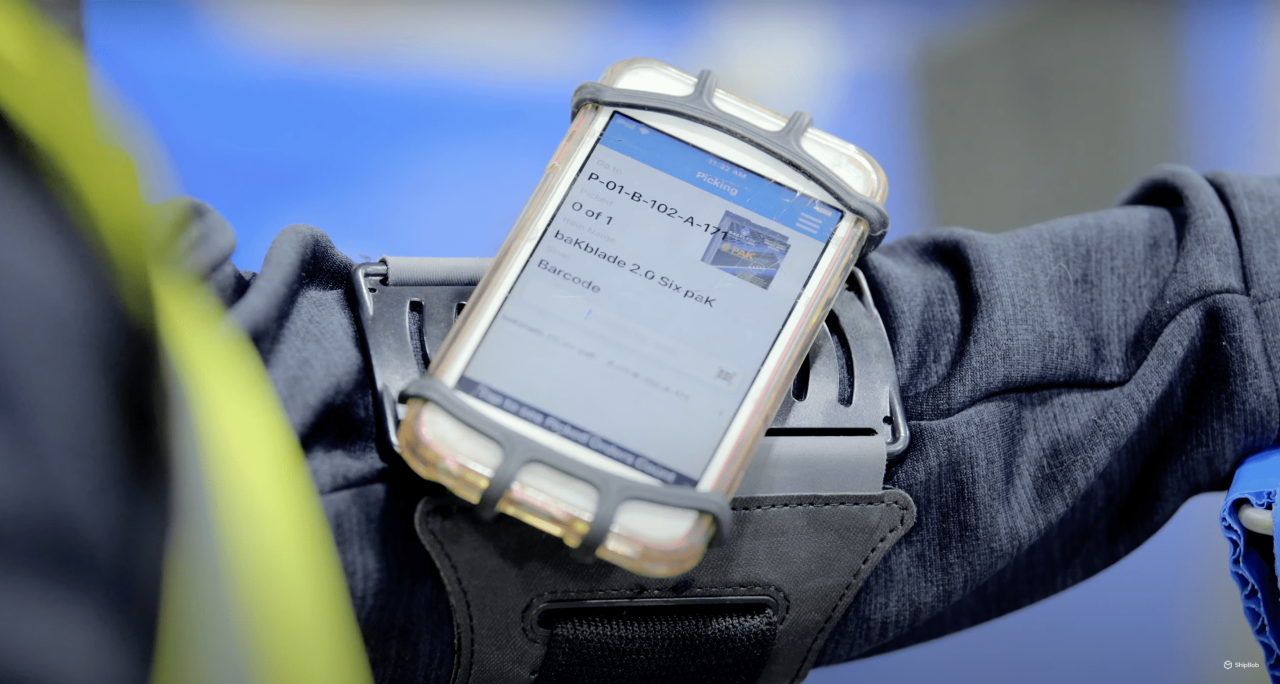
Warehouse teams in regulated industries face constant pressure to maintain high picking accuracy while meeting strict traceability rules. Errors lead to compliance failures, wasted product, and safety risks. The choice between a connected worker platform vs handheld scanners for warehouse picking accuracy often determines whether teams can catch mistakes in real time. Or teams only discover them during audits.
In cold chain or pharmaceutical operations, every scan must tie back to who performed the task. It must also show when it happened. And it must show whether conditions stayed within limits. This article examines connected worker platform vs handheld and how each approach handles exception routing, audit trails, and live alerts. Operations leaders can match the right tool to their maturity level.
Consider a pharmaceutical distributor handling temperature-sensitive vaccines. A single mis-pick due to overlooked humidity spikes can trigger a full batch recall. It can cost hundreds of thousands of dollars. A connected worker platform vs handheld scanners for warehouse picking accuracy shifts the focus from device hardware. It shifts focus to governed workflows that adapt when conditions change.
For instance, when a picker encounters an unexpected lot number mismatch, the platform immediately prompts for a supervisor review with attached photos. It does not allow the error to propagate downstream.
Practical experience shows that teams transitioning from legacy scanners often report a 25-30 percent drop in mis-picks within the first month using connected worker platform vs handheld. This happens once workflows enforce conditional checks at every step. One distribution center in the Midwest documented how real-time sensor integration prevented three separate cold-chain deviations during a single overnight shift. Each would have gone unnoticed with handheld devices alone.
Which One Fits You?
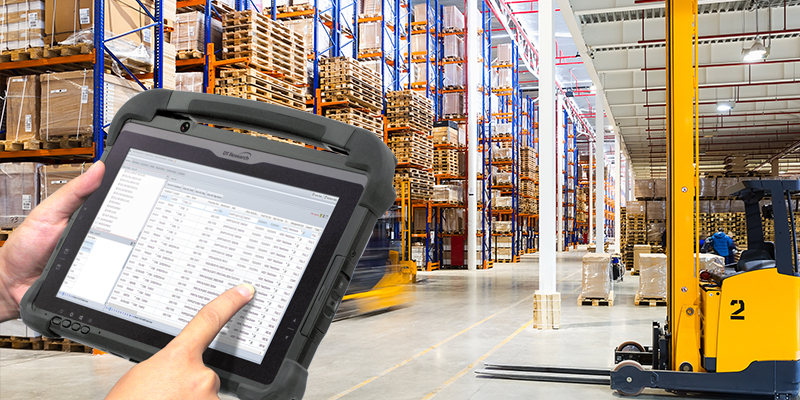
Operations leaders evaluating a connected worker platform vs handheld scanners for warehouse picking accuracy need clear criteria rather than marketing claims. The table below compares how each option performs across the factors that matter most in regulated environments. Exception handling, network resilience, and audit depth often decide whether accuracy gains hold up during audits or shift handovers. When selecting between these approaches, consider mapping your top ten exception types first. This exercise reveals whether your current process relies on verbal overrides or documented digital paths.
Connected Worker Platform Vs Handheld: Real-World Implementation Example
A cold-chain seafood processor piloted both systems across parallel picking lanes. Within two weeks the connected worker platform caught a location mismatch that handheld scanners had missed three times previously. The workflow required a GPS-verified bin confirmation before unlocking the next task. Supervisors received instant mobile alerts and resolved the issue without halting the entire line. For the adjacent problem, Connected worker security approval workflow for manufacturing trust goes deeper into the specifics.
| Evaluation criterion | Connected worker platform (shift workflow + network) | Handheld scanner-centric approach | Where picking accuracy improves or fails |
|---|---|---|---|
| Exception handling logic | Routes deviations through role-based workflows with required fields and photo evidence before allowing continuation | Relies on manual overrides or printed forms when the scanner cannot resolve the issue | Accuracy improves when exceptions are forced into documented paths; fails when workers bypass rules on handheld devices |
| Real-time deviation alerts | Pushes temperature, quantity, or location alerts to supervisors within seconds via mobile or desktop | Alerts limited to the scanner screen or delayed batch syncs | Real-time signals prevent mis-picks in cold chain warehouses; handheld delays allow errors to compound |
| Audit trail granularity | Captures user identity, timestamp, location, device, and linked photos or sensor data in one record | Records basic scan events with limited context unless extra software layers are added | Granular trails satisfy 21 CFR Part 11 requirements; thin logs create compliance gaps during inspections |
| Offline or spotty network behavior | Queues tasks locally and syncs with conflict resolution when connectivity returns | Stops or loses partial data when the network drops | Accuracy holds during network issues only with proper offline-first design |
| Device and network requirements | Works on rugged tablets, phones, or wearables with standard Wi-Fi or LTE; requires managed network coverage | Depends on dedicated scanner hardware and often proprietary docks or cradles | Lower hardware lock-in favors platforms when scaling across multiple sites |
| Role-based approvals for exceptions | Enforces digital sign-off by quality or safety roles before proceeding | Requires physical supervisor presence or later paperwork | Digital approvals reduce wrong-bin confirmations in high-volume lines |
| Integration effort with WMS or ERP | Uses APIs and pre-built connectors for most major systems; typical setup takes weeks | Often limited to file-based exports or basic barcode interfaces | Deeper integration supports live inventory accuracy checks |
| Data captured per pick | Includes who, when, what system, environmental readings, and workflow state | Usually limited to item, quantity, and timestamp | Rich data enables root-cause analysis after accuracy incidents |
| Suitability for safety or quality escalation | Triggers automated escalations with evidence attached | Depends on worker initiative to report issues verbally or on paper | Platforms reduce missed escalations that lead to downstream quality failures |
Many teams discover that a connected worker platform vs handheld scanners for warehouse picking accuracy delivers the strongest gains when exception categories are mapped first. Vardian walks through how these criteria play out in practice across manufacturing and distribution sites. Teams that pilot both approaches on the same product line usually see clearer differences in how quickly deviations reach the right person. A practical tip: schedule weekly review sessions during the pilot to compare exception resolution times side by side.
Strengths and Weaknesses
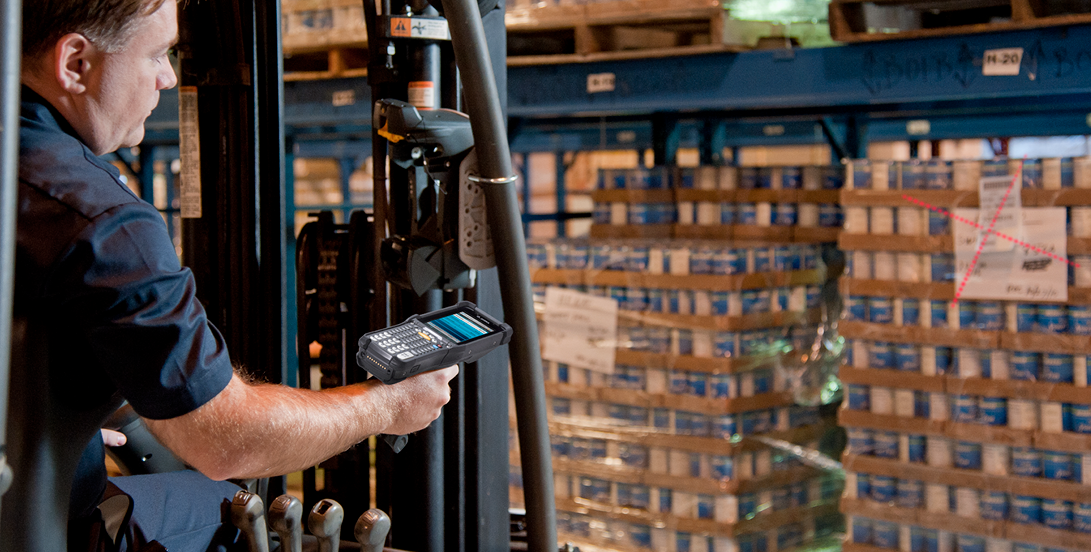
| Option | Accuracy strengths | Accuracy weaknesses |
|---|---|---|
| Connected worker platform | Enforces step-by-step instructions with photo proof; routes exceptions automatically; maintains full audit context even during network gaps | Requires initial workflow configuration and network planning; higher upfront effort than simply issuing scanners |
| Handheld scanner-centric approach | Fast to deploy for basic scan-and-confirm tasks; lower initial cost for simple picking lines | Limited context when exceptions occur; weak traceability for regulated audits; data often fragmented across systems |
In comparing connected worker platform vs handheld, platforms reduce mis-picks by guiding workers through conditional steps that handheld devices rarely enforce. They also prevent wrong-bin confirmation by requiring location verification before the next task unlocks. For compliance evidence, the richer records make it easier to demonstrate that temperature-sensitive items stayed within limits throughout the shift. In one automotive parts warehouse, the platform flagged a humidity breach during a night shift that would have ruined an entire pallet of electronics components. Handheld scanners, by contrast, often leave workers to decide whether an out-of-range reading warrants escalation. This introduces human variability that regulators scrutinize closely.
Practical Tips for Transitioning Teams
Start by auditing your current exception log for the past three months. Identify patterns such as repeated temperature or quantity issues. Then configure the platform to require photo evidence for those specific cases. This targeted rollout typically yields faster ROI than attempting to digitize every process at once.
Frequently Asked Questions
How does a connected worker platform improve picking accuracy over handheld scanners in cold chain warehouses?
When using connected worker platform vs handheld, platforms embed temperature checks and location verification directly into the workflow so workers cannot skip steps. When readings fall outside limits, the system routes the task to a supervisor before the pick continues. Handheld scanners typically record temperature separately. This creates gaps that surface only during later audits.
What network requirements does a connected worker platform for manufacturing shift teams usually need?
Most platforms operate on standard Wi-Fi or LTE with offline queuing that syncs when coverage returns. Sites need reliable access points in picking zones and a plan for peak-shift congestion. Handheld scanners often rely on the same infrastructure but lose more data during outages. They lack structured offline workflows.
Can connected worker platform audit trail features for compliance manufacturing operations replace paper records?
Yes, when the platform captures user identity, timestamps, sensor data, and approvals in a single immutable record. Regulators accept these digital trails provided the system meets 21 CFR Part 11 controls for electronic signatures and record integrity. Paper forms remain common only where legacy systems still block full digital integration.
How long does it typically take to pilot a connected worker platform versus deploying additional handheld scanners?
A focused pilot on one product family and shift usually runs four to six weeks. This includes workflow mapping and integration testing. Adding more handheld scanners can happen in days. Yet the accuracy gains often plateau once exception handling remains manual. Teams that measure both approaches on the same SKUs see clearer long-term differences.
Which approach better supports connected worker solution for cold chain warehouses temperature proofing workflows?
Platforms tie temperature sensors directly to task steps and block progression until readings are logged and verified. Handheld scanners can capture temperatures but rarely enforce the next action when values drift. This difference becomes critical during audits where proof of continuous monitoring is required.
What training investment is typically required when moving from handheld scanners to a connected worker platform?
Most sites complete role-specific training in two to three shifts because the platform presents instructions on-screen with embedded help text. Supervisors usually need an additional half-day session focused on dashboard alerts and exception routing. In contrast, handheld scanner training often ends after basic barcode familiarization. This leaves workers unprepared for complex compliance scenarios.
Can handheld scanners integrate with existing IoT temperature sensors in regulated warehouses?
Basic integration is possible through third-party middleware. Yet the data usually lands in separate systems that must be manually reconciled later. A connected worker platform, however, embeds sensor readings directly into the pick record. This eliminates reconciliation steps and ensures temperature proofing workflows remain unbroken from receiving dock to shipping bay.
Deciding Between Platforms and Scanners for Your Warehouse
Process-led operations with mature exception categories gain the most from a connected worker platform because governance and audit depth already exist. Device-led teams that still rely on paper or verbal handoffs often see faster accuracy lifts once workflows replace manual overrides. The practical next step is to run a short pilot that tracks the same exception categories under both approaches using connected worker platform vs handheld. Then verify that audit trail completeness meets regulatory sampling requirements. This comparison gives operations leaders the data needed to choose without over-investing in hardware that cannot scale with compliance demands. One final tip: involve your quality and IT teams early in the pilot design so network coverage gaps and signature requirements surface before full rollout.
- Connected worker platform rollout change management for unionized frontline workforces
- Cold chain temperature proofing workflows with connected worker solutions: evidence capture for every handoff
- Governance checklist for regulated manufacturing plants using a connected worker platform
- Real-time safety alerts with connected worker workflow: from event detection to shift-level escalation
{“@type”:”FAQPage”,”@context”:”https://schema.org”,”mainEntity”:[{“name”:”How does a connected worker platform improve picking accuracy over handheld scanners in cold chain warehouses?”,”@type”:”Question”,”acceptedAnswer”:{“text”:”When using connected worker platform vs handheld, platforms embed temperature checks and location verification directly into the workflow so workers cannot skip steps. When readings fall outside limits, the system routes the task to a supervisor before the pick continues. Handheld scanners typically record temperature separately. This creates gaps that surface only during later audits.”,”@type”:”Answer”}},{“name”:”What network requirements does a connected worker platform for manufacturing shift teams usually need?”,”@type”:”Question”,”acceptedAnswer”:{“text”:”Most platforms operate on standard Wi-Fi or LTE with offline queuing that syncs when coverage returns. Sites need reliable access points in picking zones and a plan for peak-shift congestion. Handheld scanners often rely on the same infrastructure but lose more data during outages. They lack structured offline workflows.”,”@type”:”Answer”}},{“name”:”Can connected worker platform audit trail features for compliance manufacturing operations replace paper records?”,”@type”:”Question”,”acceptedAnswer”:{“text”:”Yes, when the platform captures user identity, timestamps, sensor data, and approvals in a single immutable record. Regulators accept these digital trails provided the system meets 21 CFR Part 11 controls for electronic signatures and record integrity. Paper forms remain common only where legacy systems still block full digital integration.”,”@type”:”Answer”}},{“name”:”How long does it typically take to pilot a connected worker platform versus deploying additional handheld scanners?”,”@type”:”Question”,”acceptedAnswer”:{“text”:”A focused pilot on one product family and shift usually runs four to six weeks. This includes workflow mapping and integration testing. Adding more handheld scanners can happen in days. Yet the accuracy gains often plateau once exception handling remains manual. Teams that measure both approaches on the same SKUs see clearer long-term differences.”,”@type”:”Answer”}},{“name”:”Which approach better supports connected worker solution for cold chain warehouses temperature proofing workflows?”,”@type”:”Question”,”acceptedAnswer”:{“text”:”Platforms tie temperature sensors directly to task steps and block progression until readings are logged and verified. Handheld scanners can capture temperatures but rarely enforce the next action when values drift. This difference becomes critical during audits where proof of continuous monitoring is required.”,”@type”:”Answer”}},{“name”:”What training investment is typically required when moving from handheld scanners to a connected worker platform?”,”@type”:”Question”,”acceptedAnswer”:{“text”:”Most sites complete role-specific training in two to three shifts because the platform presents instructions on-screen with embedded help text. Supervisors usually need an additional half-day session focused on dashboard alerts and exception routing. In contrast, handheld scanner training often ends after basic barcode familiarization. This leaves workers unprepared for complex compliance scenarios.”,”@type”:”Answer”}},{“name”:”Can handheld scanners integrate with existing IoT temperature sensors in regulated warehouses?”,”@type”:”Question”,”acceptedAnswer”:{“text”:”Basic integration is possible through third-party middleware. Yet the data usually lands in separate systems that must be manually reconciled later. A connected worker platform, however, embeds sensor readings directly into the pick record. This eliminates reconciliation steps and ensures temperature proofing workflows remain unbroken from receiving dock to shipping bay.”,”@type”:”Answer”}}]}
Related Posts
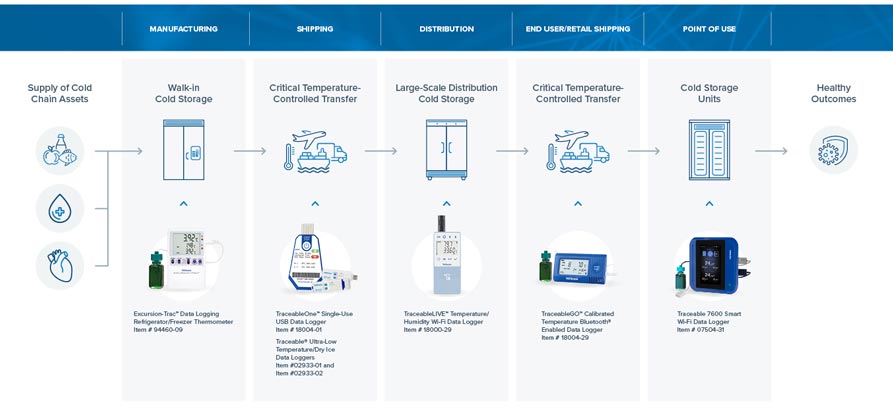
Cold chain workflows using connected worker solutions for cold proofing
The Challenge of Missing Attribution in Cold Chain Temperature Records…
Connected worker security approval workflow for manufacturing trust
Why Security Evaluation Must Cover the Full Workflow Why Security…

What product categories answer what offline features should exist in a connected worker app
Regional Consistency Challenges in Global Manufacturing Operations Regional Consistency Challenges…