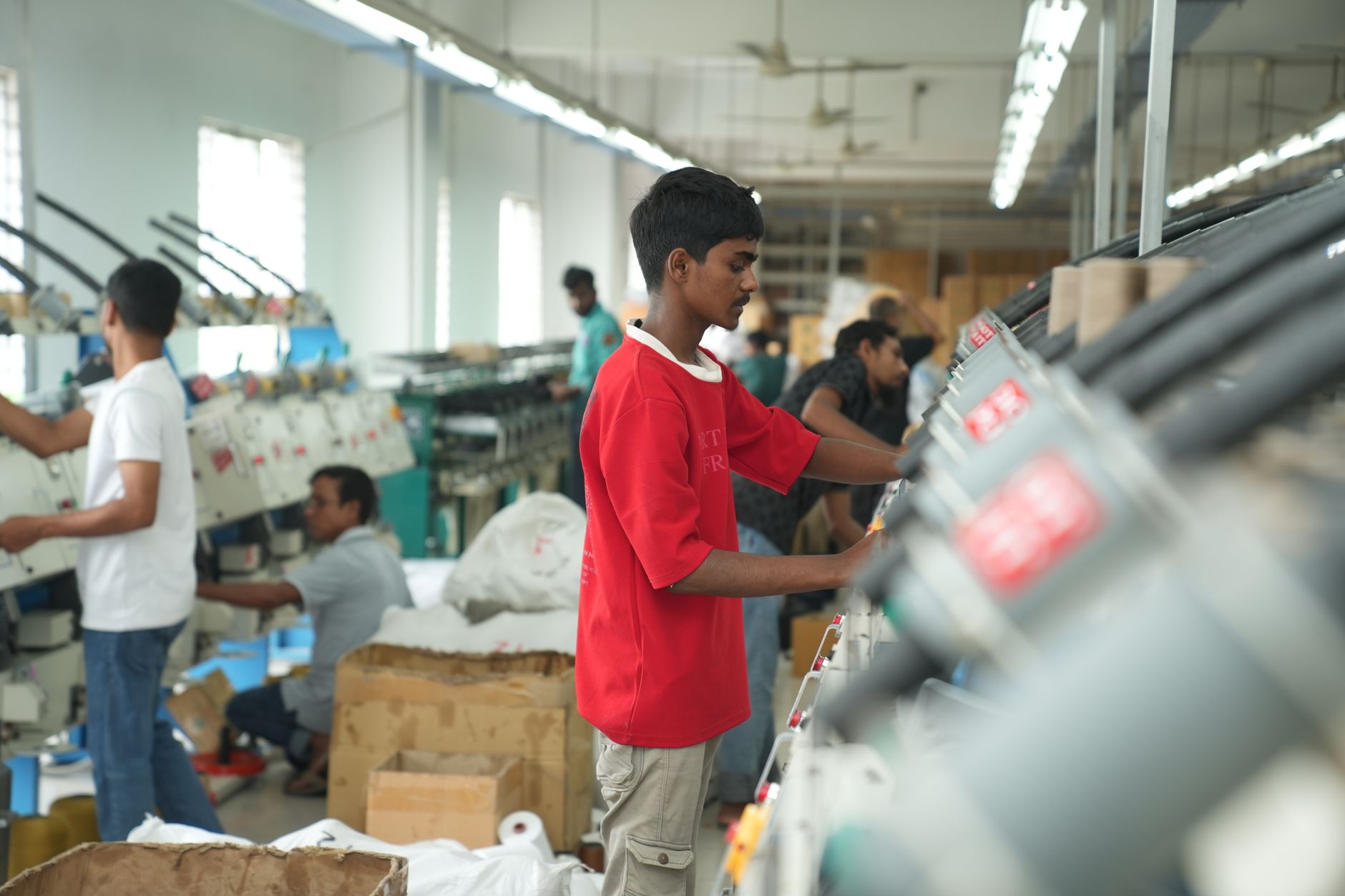
Why teams struggle to separate connected worker technology from platform responsibilities
Manufacturing shift teams often buy tools that overlap in confusing ways. Device makers sell tablets and wearables. Network providers promise coverage. Software vendors claim full platform status. The result is duplicated spending and gaps in accountability when a work order stalls. A clear connected worker definition helps operations leaders and procurement teams agree on what each layer must deliver before any purchase order is signed. In practice this confusion shows up when a tablet vendor includes a lightweight checklist app that works fine for one line but cannot route an escalation to the on-call quality engineer during second shift. Procurement ends up paying twice, once for the device bundle and again for the missing workflow logic that only appears after go-live.
Teams need a requirements checklist they can both use. This article supplies that checklist by mapping device limits, network expectations, and the workflow functions a true connected worker platform must own. It also covers how audit trail features for compliance manufacturing operations protect regulated plants. The goal is practical: give shift supervisors and OT managers measurable tests they can run before rollout. One Midwest food plant discovered during pilot that its chosen tablets lost session state after every battery swap, forcing operators to re-enter batch numbers already captured on paper. The root cause was not the hardware but the absence of a platform-level session handoff rule that survived device restarts.
A connected worker platform for manufacturing shift teams device and network requirements begins with boundaries that prevent overlap and finger-pointing later. Establishing those boundaries early also reduces change-order volume during the first ninety days after contract signing, a period when most hidden costs surface.
Core requirements that separate platform, device, and network layers
Platform vs device vs connectivity
the minimum stack boundaries for shift teams
Boundaries start with ownership. The device handles input and display. The network moves packets. The platform owns state, rules, and records. When a scanner loses connection, the device still accepts the scan. The network may buffer or drop the packet. Only the platform decides what happens next and records the outcome. This separation keeps troubleshooting fast during a shift change. Supervisors learn quickly that a dropped packet is a network issue while a missing reason code is a platform configuration problem; the distinction cuts mean-time-to-resolution by more than half in plants that adopt the model.
Many plants still run paper forms alongside tablets. The paper version records nothing for the system. A connected worker platform records every state change even when the tablet is offline. That single rule removes the most common audit failure in regulated lines. Supervisors see the same data the next shift inherits. In one medical-device facility the night shift discovered a missing torque value at 2 a.m.; because the platform had captured the offline entry, the day team could verify the parameter without reopening the batch record.
Device makers sometimes bundle simple workflow apps. Those apps rarely scale across multiple plants or handle escalation rules. The platform layer must remain independent so it can integrate with existing MES or ERP systems without rewriting device firmware. Clear boundaries protect that independence. They also allow the plant to swap rugged tablets three years later without touching the workflow logic or revalidating every integration point.
Device requirements that affect workflow reliability
Shift teams need devices that survive handoff between operators. A tablet left at a station must retain its session so the next person continues without re-entering data. Battery policy matters here. Most plants set a minimum 70 percent charge at shift start. Devices that drop below that threshold during a twelve-hour rotation create gaps in coverage. Practical tip: stage spare batteries in sealed cabinets near high-traffic stations and require operators to log the swap in the platform so the audit trail captures both the device ID and the battery ID.
Usability shows up in glove-friendly touch targets and readable screens under bright lights. Ruggedization assumptions vary by area. A food plant may accept IP54 ratings. A metal shop needs IP67 and drop resistance from two meters. Charging policy must match the rating. Otherwise operators bypass docks and create new failure points. One stamping plant learned this the hard way when operators began charging units on open benches near coolant mist, shortening device life by 40 percent within six months.
Real deployments show that shared devices last longer when the platform enforces check-in at shift end. The platform logs the device ID and user ID together. That record becomes part of the audit trail features for compliance manufacturing operations. Without it, investigations stall when two operators claim the same unit. Adding a quick photo of the device condition at check-in further reduces disputes over cosmetic damage.
Network requirements that determine work order latency and coverage
Coverage mapping begins with a walk-through using the actual devices. Signal strength below -75 dBm usually produces timeouts on work order updates. Plants map every aisle and note dead zones near metal racks or thick walls. Bandwidth assumptions start at 50 kbps per active device during peak shift hours. Higher numbers appear when photos or sensor data move with each task. A useful practice is to repeat the walk-through at the start and end of each shift for the first month; temperature swings and new racking configurations often alter signal paths more than expected.
Offline and queue expectations must be stated in writing. A connected worker platform stores completed tasks locally and syncs when coverage returns. The queue size matters. Most systems hold at least 200 tasks before forcing the operator to stop. Latency targets are set at under three seconds for simple status changes and under ten seconds for full work order refresh. During pilot testing, record the longest observed queue depth and adjust the limit upward only after confirming that sync times remain acceptable once coverage returns. A related angle on this is covered by related work in more depth. This pairs well with What offline features should exist in a connected worker app?, which works through concrete examples. The follow-up piece What counts as a connected worker platform when the shift team has… covers this in more practical detail.
These numbers come from field tests documented by industrial wireless guidelines. When plants ignore mapping, supervisors discover coverage holes only after a quality incident. The platform cannot fix poor radio planning, but it can alert when sync times exceed the agreed threshold. Many plants now run automated coverage reports every Sunday night so Monday morning stand-up meetings start with fresh heat maps rather than anecdotal complaints.
Workflow responsibilities the platform must own
Task states form the core. A work order moves through assigned, started, paused, completed, and verified. The platform enforces the allowed transitions. Escalation rules sit on top. If a task remains paused longer than the shift allows, the platform routes it to the supervisor queue with the original operator name attached. Adding a simple visual cue on the supervisor dashboard, such as color-coded timers, lets leaders see at a glance which paused tasks are approaching the escalation window.
Identity ties every action to a logged-in user. Supervisor visibility means the dashboard shows open tasks, overdue items, and recent escalations without requiring separate logins. The platform also records who re-assigned a task and when. That record supports later reviews during safety or quality investigations. In one chemical plant the platform log revealed that a critical valve check had been reassigned three times across two shifts, prompting a review of staffing levels rather than operator error.
Plants that keep these functions in the device app quickly hit limits. A device app rarely knows the full org chart or the current on-call roster. The platform layer pulls that data from HR or scheduling systems. The separation keeps the device simple while the platform handles the complexity of shift teams across multiple lines. This architecture also simplifies annual validation because only the platform layer, not every tablet, needs re-testing after an org-chart update.
Integration considerations for legacy systems
Many facilities still rely on older MES or historian systems that were never designed for mobile data entry. A connected worker platform must expose standard APIs or message queues that these systems already understand, avoiding custom middleware that becomes another point of failure. Practical tip: run a two-week shadow integration where the platform writes read-only copies of every completed task into the legacy database; this surfaces mapping mismatches before cutover and gives IT teams confidence that the new workflow layer will not break existing reports.
Compliance evidence
how audit trail features support regulated manufacturing operations
Regulated plants must answer who changed what, when, and why. The platform stores immutable logs of every state change, comment, and attachment. These logs meet the structure described in 21 CFR Part 11 for electronic records. A simple timestamp and user ID is not enough. The record must also capture the reason code selected by the operator. Adding a free-text comment field alongside the reason code lets operators document unusual conditions without creating a separate deviation report, yet the platform still forces selection of a standardized code so trending remains possible.
Audit trail features for compliance manufacturing operations become useful only when the platform owns the full history. Device-level logs disappear when the tablet is reset. Network logs show packet flow but not business context. The platform alone links the scan, the work order, the operator, and the reason into one queryable record. External auditors frequently request the ability to export a single work-order history as a signed PDF; the platform should generate this artifact without requiring additional tools or manual assembly.
External auditors often request samples from the last twelve months. A connected worker platform returns those samples in minutes when the data model is built correctly. Plants that rely on exported spreadsheets lose chain-of-custody details and face longer audit cycles. The platform boundary therefore includes both storage and export controls that preserve integrity. One audit team reduced preparation time from three days to four hours after switching from spreadsheet exports to platform-generated, time-stamped bundles.
Measurable requirements for successful connected worker rollouts
Before signing contracts, translate the boundary model into numbers that both vendors and internal teams can verify during pilot. The following list expands on each requirement with acceptance criteria that have proven reliable across multiple regulated sites.
- Devices must support session handoff and retain at least 70 percent charge at shift start. Include a fifteen-minute buffer so operators can finish a task before the low-battery warning appears.
- Network coverage must stay above -75 dBm in all work areas with sync latency under three seconds for status updates. Require the vendor to supply a coverage report measured at operator eye level during both day and night shifts.
- The platform must enforce task states, escalation rules, and identity without depending on device apps. Demonstrate this by resetting a tablet mid-task and confirming the next operator inherits the correct state and history.
- Audit records must capture who, what, when, and why for every change and remain queryable for at least twelve months. Test retrieval by asking the vendor to produce a complete work-order history for an arbitrary batch number within five minutes.
- Vendors must map each requirement to specific platform capabilities and named integrations before contract signing. Reject any mapping that points to a future roadmap item rather than currently released functionality.
Turning the boundary model into a procurement checklist
Procurement teams now have a concrete model. They can list device expectations, network targets, workflow ownership, and audit evidence points on a single page. Vendors receive the list and must show exactly where each item lives in their architecture. This step removes most overlap disputes before the first pilot begins. Schedule a joint review meeting with operations, IT, and quality so every stakeholder signs off on the mapping before any hardware is ordered.
Shift supervisors gain the same clarity. They know which problems belong to the device vendor, which belong to the network provider, and which the connected worker platform must solve. The result is faster root-cause analysis when a work order stalls mid-shift. Plants that start with these boundaries report fewer change orders during rollout and smoother handovers between shifts. One automotive supplier tracked change-order volume and found a 62 percent reduction after adopting the checklist approach.
One related work example shows how similar boundary questions appear in non-manufacturing settings, yet the same ownership model applies. Use the checklist to create your own evaluation matrix and require every vendor to complete the mapping before any demonstration. Revisit the matrix after the first three months of live use; small adjustments based on actual shift patterns often improve long-term adoption rates.
What is the minimum device charge policy most plants set at shift start?
Most plants require 70 percent charge on shared devices at the beginning of each shift. This threshold prevents mid-shift power loss that breaks workflow continuity. The connected worker platform logs the charge level at check-in so supervisors can spot patterns before they become outages. Lower thresholds appear only in areas with spare devices staged nearby. The policy must be written into the service level agreement with the device provider. Include a weekly review of charge logs in the supervisor stand-up so low-battery trends are addressed before they affect production.
How long should offline queues hold completed tasks before forcing a stop?
Typical connected worker platforms hold at least 200 queued tasks. Beyond that point the operator receives a clear message and cannot start new work until sync occurs. This limit protects data integrity while still allowing a full shift to continue in poor coverage zones. The exact number is set during the network mapping phase and tested during pilot. Plants with larger queues usually run more complex work orders that include photos or sensor readings. Document the chosen queue depth in the site validation package so auditors understand the offline tolerance.
Which regulation most directly shapes audit trail features for compliance manufacturing operations?
21 CFR Part 11 sets the baseline for electronic records and signatures in FDA-regulated environments. The connected worker platform must preserve immutable logs that include user identity, timestamp, action, and reason code. These fields allow auditors to reconstruct any change without relying on paper backups. Non-FDA plants often adopt the same structure because it simplifies supplier audits. The platform layer, not the device, must own these records to survive device resets or replacements. Many European sites also align with Annex 11 expectations using the same data model.
What signal strength threshold usually produces work order timeouts?
Signal strength below -75 dBm commonly causes timeouts during work order updates. The connected worker platform can still accept local input, but the sync step fails until coverage improves. Coverage mapping walks every aisle with production devices rather than test units. Dead zones near racks or thick walls are marked and either fixed with access points or accepted with longer offline queues. The threshold is measured at operator height, not at ceiling level. Re-measure after any major layout change or seasonal HVAC adjustment that alters metal or moisture conditions.
Why must identity and escalation rules live in the platform rather than the device app?
Device apps rarely hold the full org chart or current on-call roster. The platform pulls that data from HR or scheduling systems and applies escalation rules consistently across lines. When an operator pauses a task, the platform knows who receives the alert and records the reassignment. Device-level rules break during shift changes or when operators move between plants. The platform therefore becomes the single source of truth for workflow ownership. This also simplifies annual revalidation because only the platform configuration file changes when the org chart updates.
How does a connected worker platform support supervisor visibility across multiple lines?
The platform dashboard aggregates open tasks, overdue items, and recent escalations from every line into one view. Supervisors do not need separate logins for each area. Filters allow focus on a single line when needed, yet the default view shows plant-wide status. This visibility reduces the time spent walking the floor to check progress. The connected worker platform updates the view in near real time when network conditions allow. Add a mobile version of the dashboard so supervisors can monitor status from the catwalk without returning to a fixed workstation.
What practical step helps teams validate offline behavior before full rollout?
Run a controlled test where coverage is deliberately blocked for thirty minutes during a simulated shift. Operators complete normal tasks while the platform queues data locally. After coverage returns, verify that every record appears with correct timestamps and user IDs. This exercise surfaces queue-size issues and confirms that the platform, not the device, owns state reconciliation.
How often should coverage maps be refreshed after initial deployment?
Refresh coverage maps at least quarterly or after any significant change to racking, equipment layout, or seasonal environmental conditions. Automated heat-map reports generated by the platform each Sunday night make this routine rather than a special project. Consistent updates prevent the slow drift that turns acceptable coverage into hidden dead zones over time.
About this guide: Vardian focuses on practical requirements that operations and procurement teams can validate before any connected worker deployment. The checklist and examples reflect common patterns observed across regulated manufacturing environments.
- Connected worker platform ROI calculator for operators and supervisors: the worksheet inputs that withstand procurement scrutiny
- Corvex connected worker integrations with your existing manufacturing IT stack: an evaluation checklist for real-world fit
- Build an ROI worksheet that connects work orders, quality outcomes, and evidence
{“@type”:”FAQPage”,”@context”:”https://schema.org”,”mainEntity”:[{“name”:”What is the minimum device charge policy most plants set at shift start?”,”@type”:”Question”,”acceptedAnswer”:{“text”:”Most plants require 70 percent charge on shared devices at the beginning of each shift. This threshold prevents mid-shift power loss that breaks workflow continuity. The connected worker platform logs the charge level at check-in so supervisors can spot patterns before they become outages. Lower thresholds appear only in areas with spare devices staged nearby. The policy must be written into the service level agreement with the device provider. Include a weekly review of charge logs in the supervisor stand-up so low-battery trends are addressed before they affect production.”,”@type”:”Answer”}},{“name”:”How long should offline queues hold completed tasks before forcing a stop?”,”@type”:”Question”,”acceptedAnswer”:{“text”:”Typical connected worker platforms hold at least 200 queued tasks. Beyond that point the operator receives a clear message and cannot start new work until sync occurs. This limit protects data integrity while still allowing a full shift to continue in poor coverage zones. The exact number is set during the network mapping phase and tested during pilot. Plants with larger queues usually run more complex work orders that include photos or sensor readings. Document the chosen queue depth in the site validation package so auditors understand the offline tolerance.”,”@type”:”Answer”}},{“name”:”Which regulation most directly shapes audit trail features for compliance manufacturing operations?”,”@type”:”Question”,”acceptedAnswer”:{“text”:”21 CFR Part 11 sets the baseline for electronic records and signatures in FDA-regulated environments. The connected worker platform must preserve immutable logs that include user identity, timestamp, action, and reason code. These fields allow auditors to reconstruct any change without relying on paper backups. Non-FDA plants often adopt the same structure because it simplifies supplier audits. The platform layer, not the device, must own these records to survive device resets or replacements. Many European sites also align with Annex 11 expectations using the same data model.”,”@type”:”Answer”}},{“name”:”What signal strength threshold usually produces work order timeouts?”,”@type”:”Question”,”acceptedAnswer”:{“text”:”Signal strength below -75 dBm commonly causes timeouts during work order updates. The connected worker platform can still accept local input, but the sync step fails until coverage improves. Coverage mapping walks every aisle with production devices rather than test units. Dead zones near racks or thick walls are marked and either fixed with access points or accepted with longer offline queues. The threshold is measured at operator height, not at ceiling level. Re-measure after any major layout change or seasonal HVAC adjustment that alters metal or moisture conditions.”,”@type”:”Answer”}},{“name”:”Why must identity and escalation rules live in the platform rather than the device app?”,”@type”:”Question”,”acceptedAnswer”:{“text”:”Device apps rarely hold the full org chart or current on-call roster. The platform pulls that data from HR or scheduling systems and applies escalation rules consistently across lines. When an operator pauses a task, the platform knows who receives the alert and records the reassignment. Device-level rules break during shift changes or when operators move between plants. The platform therefore becomes the single source of truth for workflow ownership. This also simplifies annual revalidation because only the platform configuration file changes when the org chart updates.”,”@type”:”Answer”}},{“name”:”How does a connected worker platform support supervisor visibility across multiple lines?”,”@type”:”Question”,”acceptedAnswer”:{“text”:”The platform dashboard aggregates open tasks, overdue items, and recent escalations from every line into one view. Supervisors do not need separate logins for each area. Filters allow focus on a single line when needed, yet the default view shows plant-wide status. This visibility reduces the time spent walking the floor to check progress. The connected worker platform updates the view in near real time when network conditions allow. Add a mobile version of the dashboard so supervisors can monitor status from the catwalk without returning to a fixed workstation.”,”@type”:”Answer”}},{“name”:”What practical step helps teams validate offline behavior before full rollout?”,”@type”:”Question”,”acceptedAnswer”:{“text”:”Run a controlled test where coverage is deliberately blocked for thirty minutes during a simulated shift. Operators complete normal tasks while the platform queues data locally. After coverage returns, verify that every record appears with correct timestamps and user IDs. This exercise surfaces queue-size issues and confirms that the platform, not the device, owns state reconciliation.”,”@type”:”Answer”}},{“name”:”How often should coverage maps be refreshed after initial deployment?”,”@type”:”Question”,”acceptedAnswer”:{“text”:”Refresh coverage maps at least quarterly or after any significant change to racking, equipment layout, or seasonal environmental conditions. Automated heat-map reports generated by the platform each Sunday night make this routine rather than a special project. Consistent updates prevent the slow drift that turns acceptable coverage into hidden dead zones over time.”,”@type”:”Answer”}}]}
Related Posts
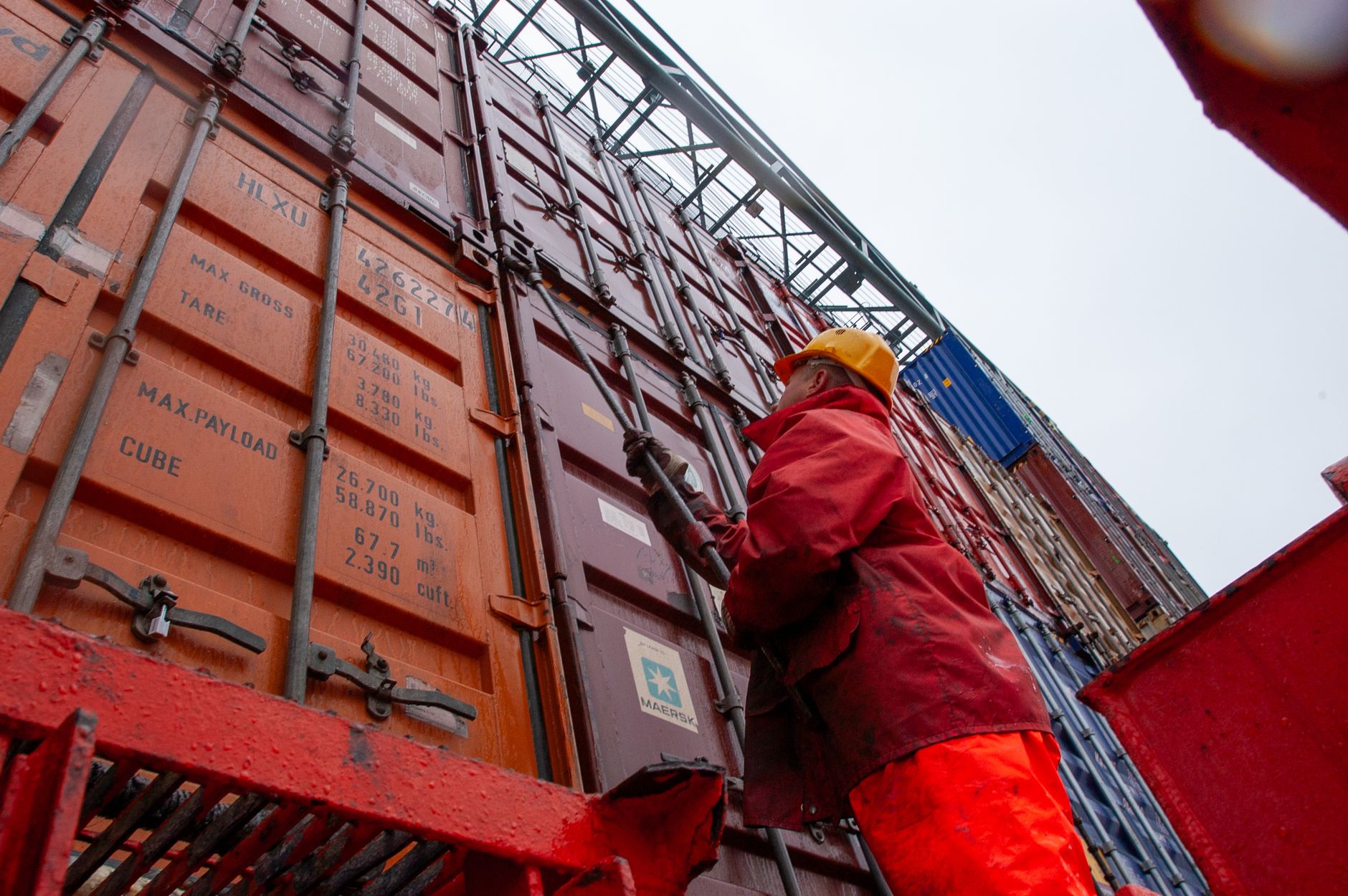
Connected worker security approval workflow for manufacturing trust
Why Security Evaluation Must Cover the Full Workflow Why Security…
When Corvex Connected Worker Overlaps Aveva, Honeywell, SAP
When Corvex, Aveva, Honeywell, and SAP Overlap: Choosing by Manufacturing…

Governance checklist using connected worker platform audit trail features
Governance checklist for regulated manufacturing plants using a connected worker…