Why 90-Day ROI Claims for Connected Inspection Often Fall Apart
A connected worker platform evaluation usually begins with a promise that sounds easy: show a return within 90 days. The pilots behind that promise, though, usually measure how many people logged in and how many checklists got completed. Those numbers prove adoption. They do not prove that the plant is any better at passing an audit, closing a deviation or catching a missed step. Plenty of plant managers have sat through a pilot readout full of green dashboards and login counts. Six months later the audit findings look exactly the same as before. The dashboard was measuring activity, and activity was never the thing the business cared about.
A connected worker platform evaluation can separate real evidence from adoption numbers with a few clear questions. Does the baseline exist before the pilot starts? Can the platform show a complete evidence trail for each inspection? Do the metrics track the outcomes your quality and operations leaders already report? A credible vendor should answer all three in writing. If the answer depends on a slide deck, treat the 90-day claim as unproven. It also helps to ask who on your side will own the baseline data. If nobody in your organization can produce last quarter’s numbers for the same lines, the pilot has no reference point. Any improvement will be a matter of opinion.
This article walks through eight ROI signals that operations and quality teams can check during a connected worker platform evaluation. Each one ties to something you can count, not something a vendor describes in general terms. The goal is a short list of measurable evidence you can verify. It includes a way to tell whether a fast payback is likely in your plant or only in a demo.
Eight ROI Signals to Check Before You Trust a Connected Inspection Pitch
The signals below follow the order most plants feel them, starting with audit preparation and moving toward shift-level behavior. Not every plant will see all eight within a quarter. Some will see two or three quickly and wait longer on the rest. What matters is that each signal has a number attached and a way to show whether it moved. A useful habit is to write down, for each signal, what a good result would look like in your plant before the pilot begins. That keeps the conversation honest when the results arrive.
Reduced evidence scramble at audit time
Most plants know the audit scramble well. Someone pulls paper binders, emails photos from a supervisor’s phone and reconstructs who signed off on what. The evidence exists somewhere, but it is scattered across systems and people. A connected platform should shrink that scramble by linking each inspection to its operator, timestamp, asset and approval in one record. In practice, the difference shows up on the morning of the audit. Instead of a two-day hunt, the quality engineer pulls a filtered report and hands it over before the auditor finishes their coffee.
The metric to track is evidence completeness rate. Take a sample of recent inspections, count how many have every required field, signature and attachment, and repeat the count after the pilot. Ask the vendor how they handle missing data and whether the platform blocks incomplete records or just flags them. Blocking is stronger, but it can also frustrate operators during a busy shift, so decide in advance which fields are truly mandatory. Plants that work under standards such as 21 CFR Part 11 will care about this more than anyone. Electronic records need to be attributable and complete.
Fewer repeat inspections from missed SOP steps
When an operator skips a step in a standard operating procedure, the miss often surfaces only at the next inspection, sometimes hours or days later. The result is a repeat inspection, extra labor and a batch that sits on hold. Digital work instructions can force each step to be confirmed in sequence, which catches the miss while the operator is still at the asset. A simple example is a torque check on a fixture. If the sequence requires a photo of the torque reading before the next station unlocks, the skipped check gets caught in seconds rather than discovered at the end-of-shift review.
Track inspection correction counts for the same asset and procedure before and after the pilot. A drop in repeat inspections is a good sign, but only if the procedures themselves did not change in the meantime. Check how the platform timestamps each step, since standard operating procedures depend on a clear record of who performed which step and when. If two shifts changed a procedure in the same month, separate their results so you know which change produced the improvement.
Faster deviation closures when the record chain survives handoffs
Deviations rarely stay with one person. A shift operator notices a problem, a supervisor reviews it, quality investigates and engineering proposes a fix. Each handoff is a chance for context to disappear. When the record chain breaks, the investigation restarts from memory, and cycle times stretch from days into weeks.
The metric here is investigation cycle time, measured from the first report to closure. Ask whether the platform keeps the original observation attached as the record moves between teams. A good pilot should show shorter median closure times for deviations that go through the new workflow. Compare like with like, though. A simple deviation and a complex one will not close on the same schedule, so group them by severity before you compare averages.
Shorter change cycles from governed templates
Every new product introduction or program update means changing inspection templates, work instructions and training. In many plants that change moves through email chains and shared drives, and nobody is certain which version is live on the floor. Governed templates let engineering propose a change, route it for approval and release one controlled version to every station. The practical benefit is that the old version gets retired automatically. An operator at line four is not still working from a revision that was superseded three weeks ago.
Measure the time from update request to approved release. Start the clock when someone asks for a change and stop it when the new template is live at the line. This signal matters most for multi-site operations, where a single change can take weeks to reach every location. If a vendor cannot show you how version control and approval routing work, ask them to demonstrate it on a real template from your plant.
Lower downtime from fewer manual workarounds
Connectivity drops happen on factory floors, especially in older buildings and near heavy equipment. When the system goes down, crews often fall back on paper, sticky notes or memory. That workaround creates a second record that may never get entered into the main system. A platform with strong offline capability keeps the inspection running and syncs it later. The question to ask is how conflicts get resolved when two people edit the same record offline, because that is where data gets quietly lost.
Track offline coverage, meaning how many inspections can be completed without a connection, and correlate downtime events with those gaps. Plants in regulated industries or energy settings face extra pressure here. If your sites share safety procedures, one field guide covers how digital checks fit into those requirements. This can help you frame the offline question for your own evaluation.
Better alert acknowledgment during busy shifts
Alerts lose value when nobody responds to them. During a busy shift, a flashing notification can sit unacknowledged while the operator handles three other problems. Good alert design routes the message to the right person, requires an acknowledgment and records who responded and how long it took. That log is the signal you need.
Pull logged response times to real-time alerts for a typical week before the pilot and again after it. Look at the spread, not just the average, because the slowest responses usually reveal where the process fails. Plants that struggle here often need a clearer alarm management approach as well as better software, so keep that in mind when you read the vendor’s results. Too many alerts will train people to ignore them, no matter how well the platform routes them.
Fewer rework thread breaks across teams
Rework is expensive partly because it touches many departments. Engineering blames the spec, operations blames the material, and quality wants the root cause documented before anything moves. When rework attribution is recorded inconsistently, the same problem gets solved twice, and nobody learns from it.
Check rework attribution integrity by sampling recent rework tickets and asking whether each one names a cause, an owner and a linked inspection. Count how many have all three before and after the pilot. A platform that keeps the thread attached to the original inspection makes these links easier to maintain. Be realistic, though, because attribution depends on people choosing accurate categories, and no software can fully fix that. A short training session on the cause codes often does more for this signal than any feature.
Security and access governance readiness without blocking operations
Access control is the signal most pilots skip, and it is the one that stalls rollouts later. IT will ask who can see what, how accounts are provisioned and removed, and whether access changes leave an audit trail. A useful platform handles those questions without making it hard for a new operator to start work on day one.
Measure onboarding lead time, from a new hire’s request to working access, and access audit coverage, meaning the share of access changes that are logged. Ask the vendor to show role-based permissions and deprovisioning in a live demo. If onboarding takes two weeks, the pilot will feel slow no matter how good the inspection data looks. Involve your IT security team early, because their review often adds weeks if it starts after the pilot is already running.
Key Points for Your Connected Worker Platform Evaluation
If you only remember the core signals from this list, use the eight below as the checklist for your pilot. Each one needs a baseline, a metric and a demonstration on your own data before you accept a vendor’s 90-day claim.
- Reduced evidence scramble at audit time (measured by evidence completeness rate)
- Fewer repeat inspections due to missed SOP step checks (measured by inspection correction counts)
- Faster deviation closures because the record chain survives handoffs (measured by investigation cycle time)
- Shorter change cycles from governed templates for NPI and program updates (measured by time from update request to approved release)
- Lower downtime from fewer manual workarounds when connectivity degrades (measured by offline coverage and downtime event correlation)
- Improved alert acknowledgment behavior during busy shifts (measured by logged response to real-time alerts)
- Reduced rework thread breaks across engineering, quality and operations (measured by rework attribution integrity)
- Security and access governance readiness without blocking operations (measured by onboarding lead time and access audit coverage)
Turning a 90-Day Claim Into a Verification Plan
The fastest way to test an ROI claim is to build a verification plan before the vendor arrives. Pull four to six weeks of baseline data for the signals that matter most to your plant. Choose one or two lines or assets for the pilot, and agree on the metrics in writing. Then ask the vendor to demonstrate each metric using your own inspection templates, not a demo dataset. A reasonable pilot also names a single owner on each side, so questions do not sit unanswered for a week in a connected worker platform evaluation.
Be honest about the limits. Ninety days is short for a multi-site rollout. Some signals, such as rework attribution, depend on how people use the tool rather than on the tool itself. A good vendor will welcome that scrutiny, and will tell you where their platform is strong and where your processes need work. If you want a starting point for costs and payback, a return on investment model built from these same metrics will keep the discussion grounded during a connected worker platform evaluation. You can also compare connected worker inspection software for manufacturing plants against your own baseline rather than against a brochure.
Frequently Asked Questions
Can a connected platform really show ROI within 90 days? It can show leading indicators within 90 days, such as fewer missed steps, faster alert responses and cleaner audit records. Financial payback depends on how much those indicators are worth in your plant, and that varies widely by industry and by how many lines are in scope.
What baseline data should we collect before the pilot? Gather four to six weeks of inspection records, deviation logs, rework tickets, alert response times and onboarding timelines for the lines in the pilot. Store the raw exports somewhere neutral so the comparison cannot be questioned later.
Should we run the pilot on one line or several? One or two lines is usually enough to test the signals without disrupting the whole site. Pick lines with typical volume rather than the best or worst performers, so the results will reflect what a rollout would really look like.
How do we handle operator pushback during the pilot? Involve operators in choosing which steps need to be mandatory, and share the results with them afterward. When people see that the tool removes paperwork and catches their own mistakes earlier, resistance tends to drop quickly.
What if the vendor cannot demonstrate a metric on our data? Treat that as a finding in itself. It usually means the signal is either not measured by the platform or depends on configuration work that has not been scoped yet. Both of those affect the real cost of the project.
For broader questions about evidence, security, offline work and unions, see our common questions about connected worker platforms.
Related subtopics: connected inspection pilot design, digital work instruction rollout, audit-ready inspection records, alert escalation for shift teams, governed template version control.
About this guide: This article is written for operations and quality leaders who evaluate connected inspection platforms. It focuses on measurable ROI signals and verification methods, not on ranking individual vendors.
- How does connected worker inspection software work when connectivity drops during a shift?
- What to look for in connected worker inspection software for manufacturing plants
- How to choose an industrial alert escalation system for regulated manufacturing
- Why operators ignore downtime alerts during busy shifts—and how to redesign escalation
- What happens if someone ignores a real-time alert: logging, escalation, and proof
Related Posts
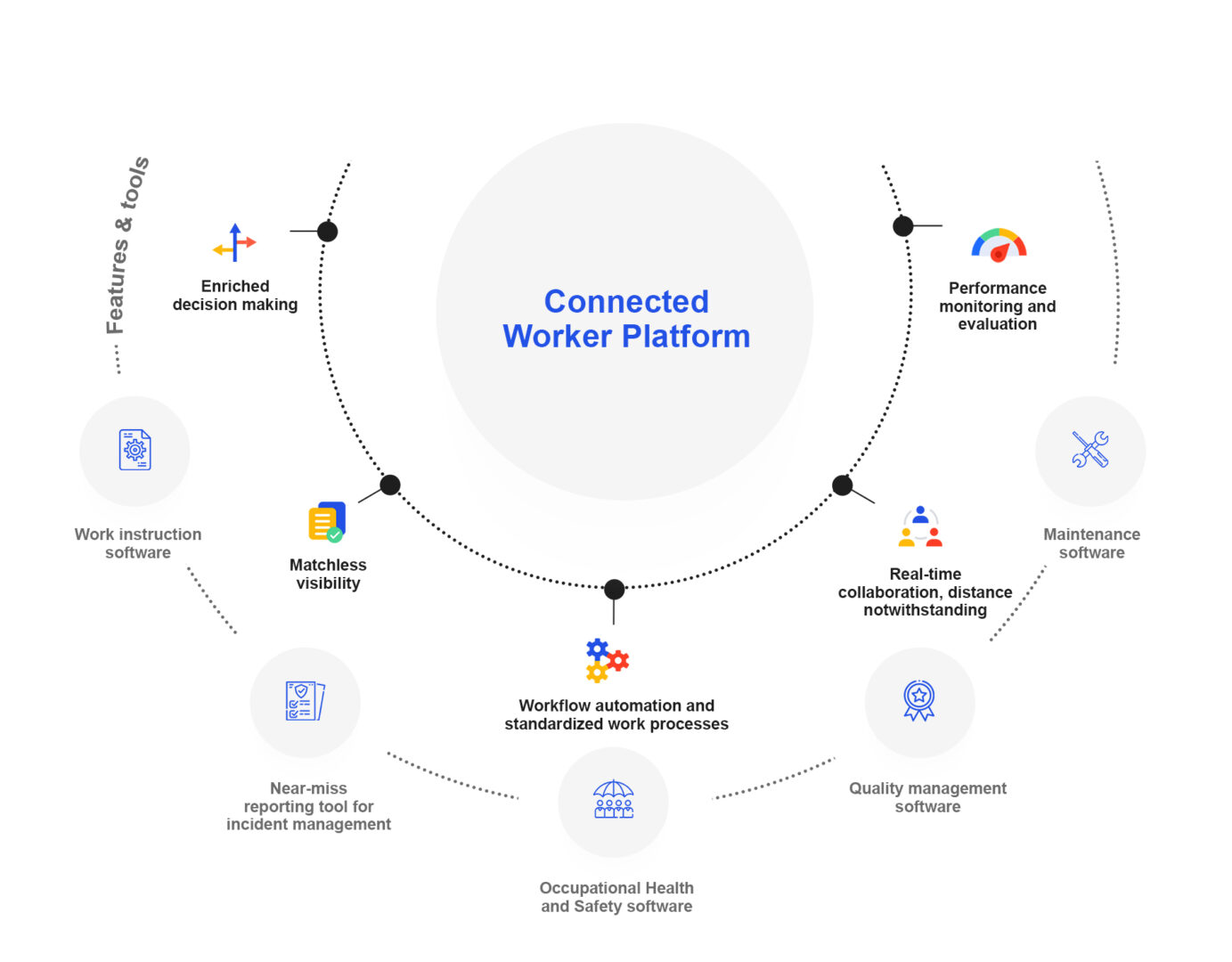
Which connected worker platform fits manufacturing teams: a feature and vendor reality check
Manufacturing platform success criteria Manufacturing teams measure success for any…

Connected worker solution change management for unionized frontline workforces: rollout sequencing that protects trust
Connected worker solution change management for unionized frontline workforces: rollout…
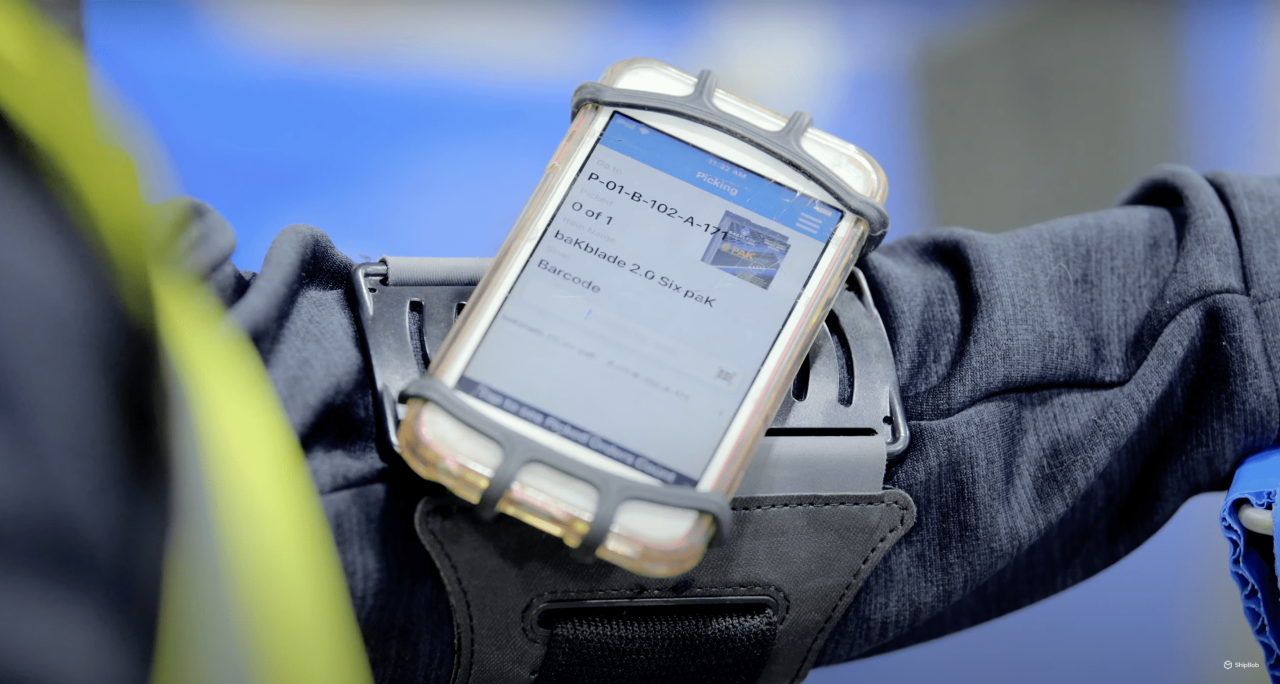
Connected worker platform vs handheld scanners for warehouse picking accuracy in regulated supply chains
Picking Accuracy in Regulated Supply Chains Picking Accuracy in Regulated…