
Why Inspection Work in Automotive and Chemical Plants Is Hard to Digitize
If you run a quality or plant engineering team in automotive or chemical manufacturing, you already know that connected worker inspection software for automotive plants has to do more than replace a clipboard. Inspections in these environments touch torque values, batch records, pressure vessels, robot cells and safety-critical equipment all in the same shift. The stakes are high, and the paperwork has usually grown faster than anyone wanted.
Automotive and chemical sites look different on the surface. A body shop runs on takt time and tight tolerances, while a chemical unit runs on recipes, cleaning validation and hazardous material controls. Yet both depend on the same thing: a trained person standing at a machine, checking something, and recording what they found. That’s where most gaps begin.
This article looks at what inspection software needs to handle in each setting, how the workflows actually run, and what to ask for when you evaluate options. It also covers the data export requirements that quality teams often discover too late. Along the way, you’ll see where connected tools fit and where they don’t.
Direct answer: Connected worker inspection software for automotive plants captures checks at the point of work, links each result to the asset, part or batch involved, and routes exceptions to the right person in real time. Automotive lines need defect tracking and traceability at station level. Chemical facilities need batch verification, signed sign-offs and audit-ready records. Good platforms support both through configurable forms, mobile access on the floor and exports that feed quality systems.
Part of the challenge is that inspection sits between several systems. The MES tracks production, the CMMS tracks maintenance, and the quality management system holds nonconformance records. Each one holds a piece of the story. A connected worker approach ties those pieces to the person who did the check, and to the moment they did it. Industrial teams often describe this as connected operations, a term that covers the links between people, assets and workflows on the plant floor.
Defect Tracking, Batch Verification and Safety Rounds in One Workflow
Connected Worker Inspection Software for Automotive Plants: Tracking defects along an automotive assembly line
On an automotive assembly line, a defect usually shows up as a deviation from a standard. A bolt torque reads outside its window, a weld spatter fails a visual check, or a panel gap falls outside tolerance. The inspector needs to record the station, the part number, the vehicle identification and the reading, all within the cycle. Paper forms make this slow, and the data often arrives at the quality office hours later.
Connected inspection tools let an operator scan a barcode or pick a station from a list, then enter the result on a tablet or wearable. Good systems flag an out-of-tolerance value immediately and send an alert to the line leader. They can also hold the vehicle in a repair loop until someone signs off. That link between a defect and the station that produced it is what makes root cause analysis practical. Without it, teams spend days chasing down which shift built a suspect unit.
Most automotive quality groups also track escape rates, first-pass yield and containment actions. Inspection software should record each of these as structured data, not free text. Structured fields make trend charts and Pareto analysis possible without manual cleanup.
Chemical batch verification steps
Chemical batch verification is a different problem. The goal is to prove that a batch was made according to the approved recipe, with the right raw material lots, the right charge sequence and the right in-process checks. An operator might weigh an ingredient, confirm the lot number against the material receipt, and record a pH or density reading before the batch moves to the next vessel. Each step needs a timestamp and a signature.
Regulated chemical sites often work under 21 CFR Part 11 in the United States when electronic records replace paper ones. That rule sets expectations for electronic signatures, audit trails and record controls. Inspection software used in these environments needs to lock completed records, log who changed what, and make the audit trail readable during an inspection. A tool that lets someone edit a reading after sign-off will fail the first audit.
Verification also depends on the sequence. A step that happens before its prerequisite can ruin a batch, so good software enforces the order and blocks the next step until the previous one is confirmed. This is one place where digital work instructions earn their keep. They show the operator what to do and what to check, and they stop the process when a required value is missing.
Heavy equipment safety round protocols
Safety rounds on heavy equipment cover presses, reactors, mixers, overhead cranes and compressed air systems. A typical round checks guards, emergency stops, lockout points, pressure relief devices and visible leaks. The round usually follows a fixed route, and many plants require a minimum interval between rounds on critical equipment. Missing a check is easy when the route runs through a noisy area and the form lives in a binder at the far end of the building.
Connected inspection tools can assign each round to a named person and show the route on a phone. They can attach a photo to a failed guard check and open a work order in the CMMS without retyping anything. Some systems also block a machine’s restart record until the round is complete, though that behavior should always stay within the plant’s existing lockout procedures and never replace them.
Be realistic about the limits here. Software records that a round happened. It cannot confirm that the operator really looked at the relief valve. Plants still need supervisory checks and sensible route design.
Cross-sector data export requirements
Many organizations run automotive and chemical sites under one corporate quality system, so inspection data has to move. Exports usually go to a data warehouse, a business intelligence tool, a supplier quality portal or an auditor’s spreadsheet. Each destination expects a different format, and each has its own rules about timestamps and units.
When evaluating software, ask whether it can export raw records with full audit history, not just summary reports. Check whether it supports standard formats such as CSV, JSON or direct database connectors, and whether exports keep the original units. A torque value recorded in newton-metres should not silently become foot-pounds somewhere downstream. Also confirm that exported records preserve signatures and change logs, because a stripped export can fail a validation review.
Real Scenarios From an Automotive Line and a Chemical Unit
Automotive body shop weld inspection
Consider a body shop running several robotic weld cells on a single model line. Each station has a set of inspection points, from spot weld count to visual checks on flange edges. Before connected tools, a quality technician walked the line every two hours with a clipboard and copied results into a spreadsheet. Defects often surfaced a full shift after they were made.
With connected inspection in place, each weld cell has a tablet showing its check list. When a spot weld count falls short, the operator logs it, and the system pulls the vehicle into a repair queue. The team lead gets an alert within seconds. At the end of the shift, the quality engineer sees a trend by weld gun, not a stack of forms. Plants that run this kind of setup usually report faster containment, though results depend heavily on how well the station checks were defined at the start.
Chemical unit batch release with electronic sign-off
Now picture a specialty chemical unit producing a coating resin in 2,000-litre batches. The batch record includes raw material lot checks, charge weights, a viscosity reading at a set temperature, and a final QC sample. Under the old paper process, the operator filled in the batch record by hand, and a supervisor reviewed it the next morning. Transcription errors and missing initials were common.
After moving to connected inspection, the operator scans each raw material lot before it’s charged. The system checks the lot against the approved bill of materials and blocks the charge if the lot is on hold. Each reading is timestamped and tied to the operator’s login. The supervisor signs the batch electronically, and the audit trail records every change. When the quality auditor asks for the record, the team exports it in minutes instead of pulling binders from storage.
Matching Inspection Software to Your Plant’s Priorities
Start with the failure you most want to prevent. If escapes to the customer keep you up at night, put station-level defect capture and alerting at the top of your list. If audit findings are the problem, focus on electronic signatures, locked records and a clear audit trail. Heavy equipment safety rounds need routing, assignment and a clean link to maintenance work orders.
Ask vendors to demonstrate the exact workflow you care about, using your own check sheets. Pay attention to offline behavior too, since many plant floors have poor wireless coverage. Once you’ve narrowed the list, compare how each option exports data, because that decides whether your quality team can actually use what they collect. For a broader view of how connected operations fit together, one field guide covers how similar safety workflows get structured in heavy industry, which can help when you’re deciding what to ask vendors.
Frequently Asked Questions
Do automotive and chemical plants need different inspection software?
Not necessarily. Most platforms handle both if they support configurable forms, role-based access and flexible exports. The difference shows up in the details. Automotive teams usually need fast station-level capture and alerting. Chemical sites usually need recipe-linked checks, electronic signatures and strong audit trails. When you evaluate software, test the workflows that match your most demanding process rather than the simplest one.
What regulation governs electronic inspection records in chemical facilities?
In the United States, 21 CFR Part 11 sets requirements for electronic records and electronic signatures when they replace paper records in FDA-regulated environments. It covers audit trails, access controls and record integrity. Not every chemical plant falls under the FDA, so check which regulators apply to your products and sites. Your quality team should confirm the exact requirements with your validation specialist before deployment.
Can inspection software replace paper checklists entirely?
In many plants, yes, for routine checks. Some situations still call for paper or a backup process, such as a complete network outage or a cleanroom where devices are restricted. Plan for these gaps with offline capture and a documented fallback. Most sites find that a phased rollout, starting with the highest-volume checks, works better than switching every form on day one.
How does inspection data connect to maintenance work orders?
When a check fails, a well-configured system can create a maintenance request in the CMMS with the asset ID, the failed check and a photo attached. This avoids retyping and speeds up response. The link depends on integration, so confirm during evaluation that the software supports your CMMS and how it handles status updates in both directions.
What should I check in data export before choosing a platform?
Look for raw record export, not just summary reports. Confirm the formats offered, whether units are preserved, and whether signatures and audit logs travel with the data. Ask how exports handle large volumes and whether they can run on a schedule. Test an export with real data before you sign a contract, because surprises in export formatting are common and expensive to fix later.
About This Guide
This article is produced by the Vardian editorial team and focuses on how connected inspection workflows operate in automotive and chemical plants. It draws on general manufacturing practice and published regulatory references rather than on any single customer deployment.
Related Topics
- Setting Up Connected Worker Quality Inspection for Pharma Batch Workflows
- Can Connected Worker Inspection Apps Work in Chemical Facilities?
- Which Connected Worker Solutions Serve Multi-Plant Operations?
- Is Connected Worker Software Better Than Paper Checklists on Assembly Lines?
- Why Connected Work Instructions Matter for Quality Teams
Related Posts

Real plant layered process audit example
Why Real Plant Cases Matter for Audit Design Why Real…
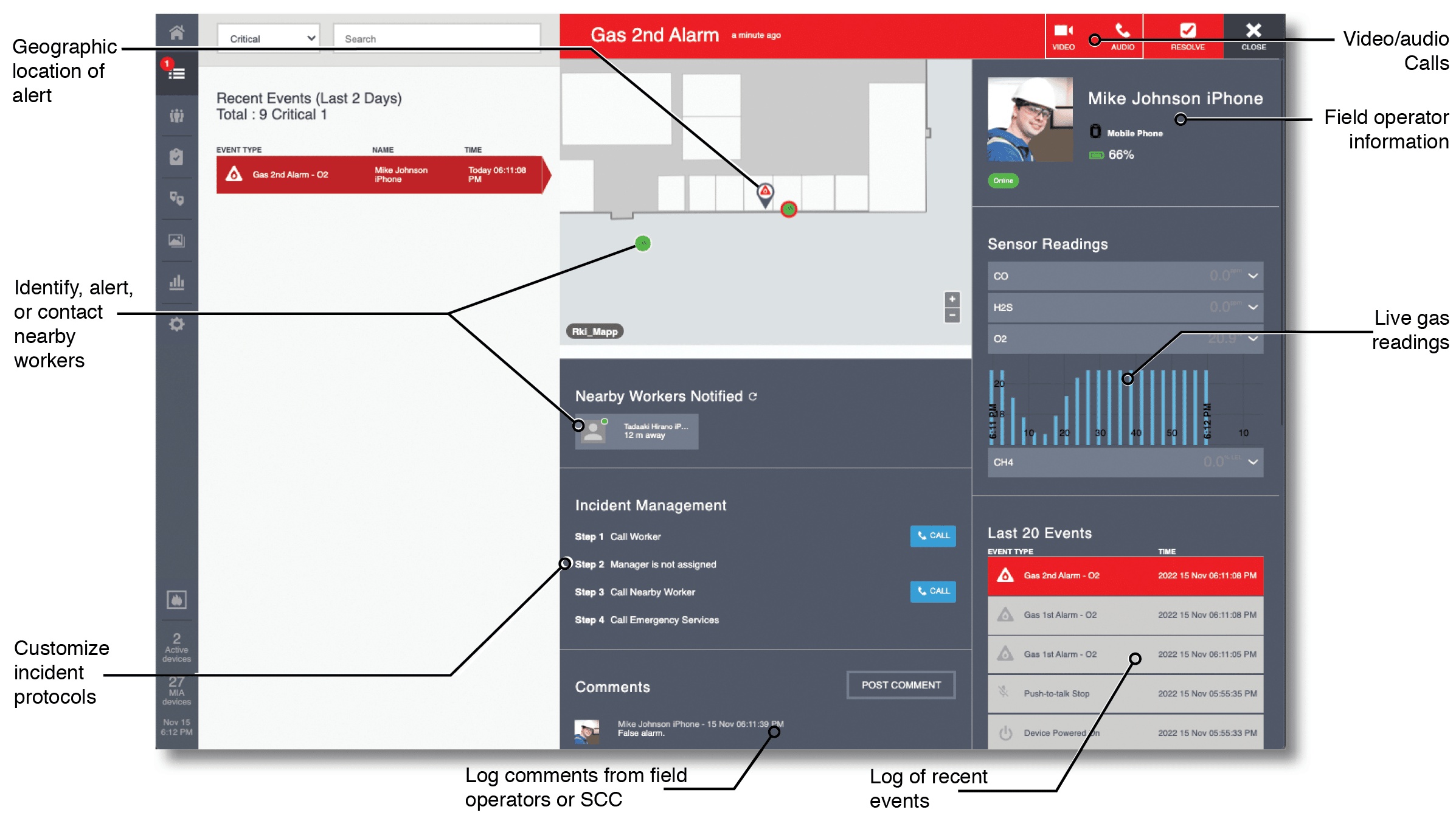
Safety alerts via connected industrial worker from detection to escalation
Real-time safety alerts with connected industrial worker workflow from event…
Connected Worker Vs Traditional Paging Outperforms Legacy Alerts
Connected worker vs traditional paging is one of those comparisons…