Why Chemical Sites Need Different Inspection Workflows
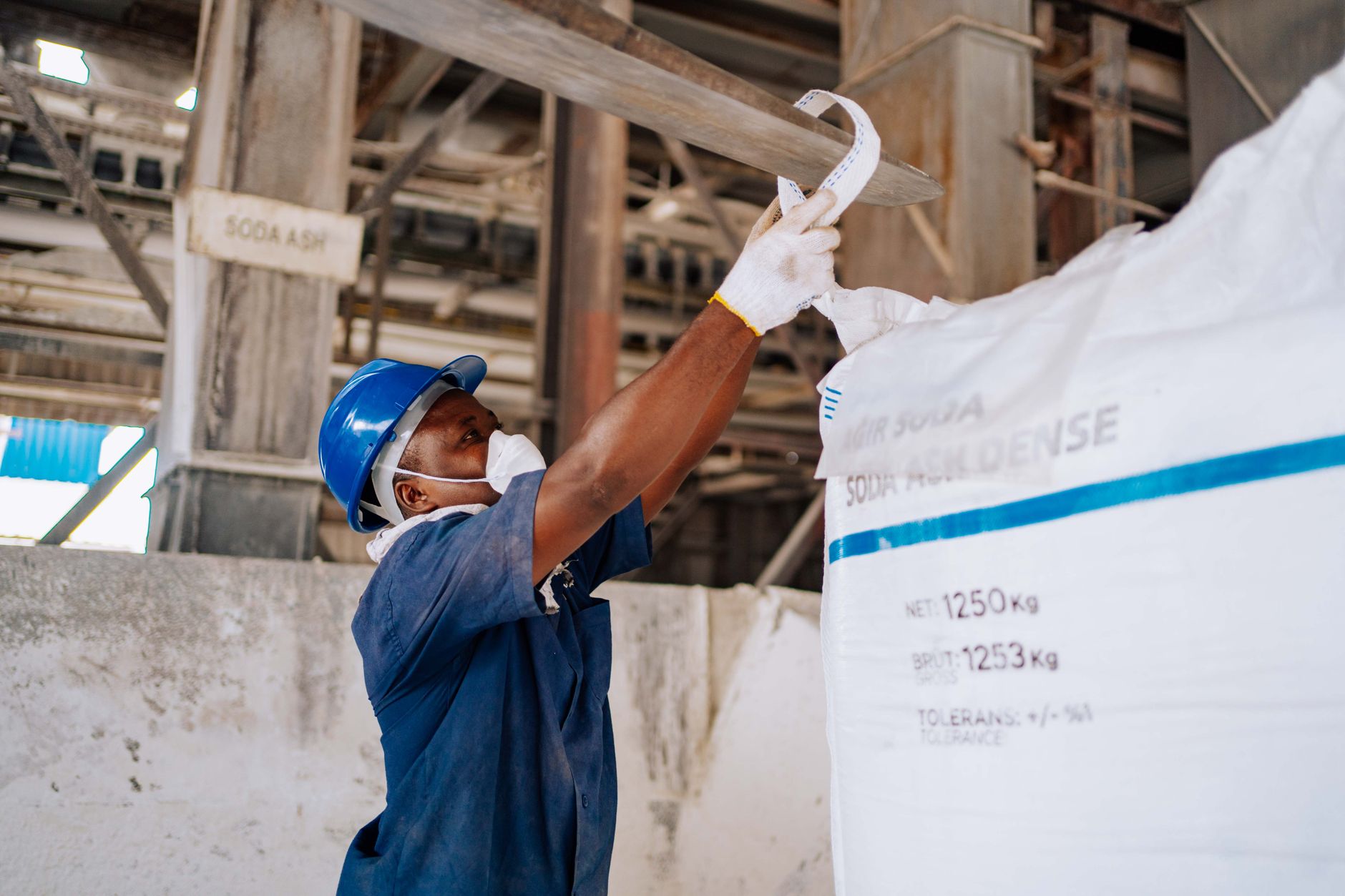
A connected worker inspection app for chemical facilities has a harder job than the same app running on a car assembly line. Process plants handle flammable, toxic, and reactive materials, and the inspection routes that protect people there look nothing like the neat cell-by-cell checklists common in discrete manufacturing. If you run EHS or operations at a chemical site, you already know something important. A missed valve check can matter more than a missed torque reading on the floor next door. This guide covers what those tools must handle in a process environment, and it’s written for people evaluating software for a site that is already running.
In discrete manufacturing, an inspection usually means confirming that a part, a station, or a machine meets a spec. In a chemical plant, the inspection often means confirming that a barrier is intact. It also means confirming that an energy source is isolated or that a vessel is operating inside its safe envelope. The route itself carries risk. Operators walk through hazardous areas, sometimes at night, sometimes with a respirator and a radio. The app has to work with that reality rather than assuming a clean shop floor with reliable Wi-Fi at every corner.
Think of the plant as a set of linked systems rather than a set of stations. A pump check depends on a permit. A permit depends on a lockout. A lockout depends on a shift handover that somebody remembers to do. Break one link and the inspection record looks complete while the underlying condition is not. That is the gap a connected approach tries to close. It’s why the features that matter most in a chemical plant are not the ones that sell well in a demo.
Below is a direct answer to the question most evaluators start with. A connected worker inspection app for chemical facilities should route rounds through hazardous areas. It should verify lockout and isolation status before an inspection is signed off, link inspections to active permits-to-work, and keep time-stamped evidence that holds up during a process safety review. Generic inspection tools usually cover the checklist part and leave the rest to paper or spreadsheets.
Core Requirements for Hazardous Area Rounds and Process Safety Evidence
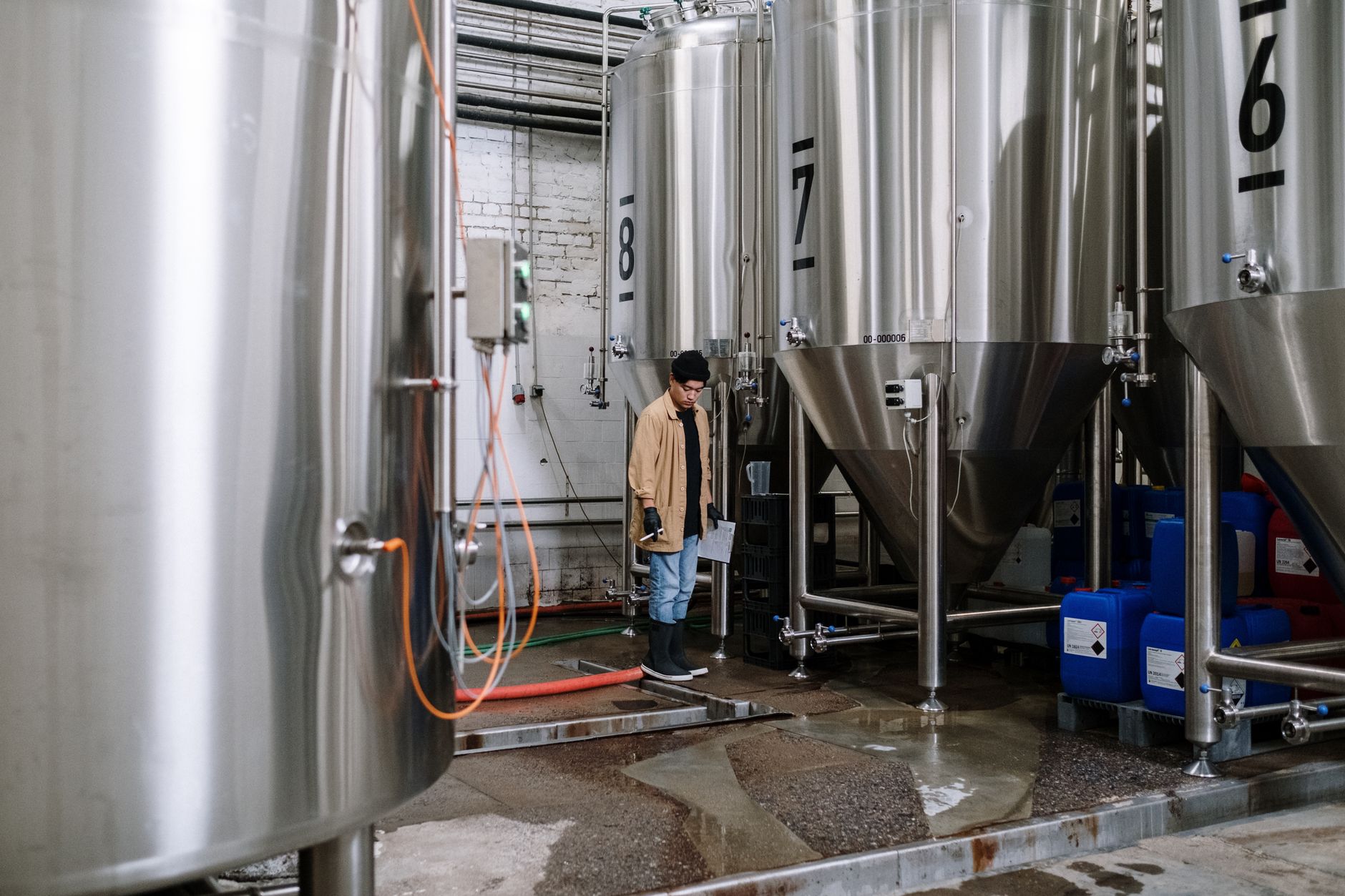
The first thing to get right is the round itself. Hazardous area rounds are not a single list of assets. They’re ordered paths through a unit. The order often matters because of wind direction, gas detector locations, or the need to pass certain equipment before entering a confined zone. A capable app lets supervisors build the route once, attach the right checks to each stop, and reuse it across shifts. It should also tell an operator which stop comes next, rather than relying on memory or a laminated map.
Connected Worker Inspection App for Chemical Facilities: Hazardous Area Round Routing
Good routing starts with the plant’s own hazard classifications. Many sites follow the area classification rules set out in NFPA 70, the National Electrical Code. It defines Class I, Class II, and Class III locations by the type of hazardous material present. Your app should let you tag each stop with its classification and any required gas-test or ventilation check before entry. Routes should also flex. If a gas detector alarms mid-round, the operator needs to be redirected, and that redirect needs to be logged. Ask vendors to show you that workflow with a real alarm scenario, not a slide.
Offline capability matters more here than in most industries. Steel-framed process units, thick concrete, and metal gratings can kill signal in exactly the places where you want the most detail recorded. Check whether the app stores entries locally and syncs them later. Check whether a failed sync is visible to the operator so nobody assumes a stop was recorded when it was not. This pairs well with Do You Need Connected Worker Quality Inspection Workflow in Pharma?, which works through concrete examples.
Lockout and Tagout Verification
Lockout/tagout (LOTO) is where inspection and energy control meet. The OSHA standard for the control of hazardous energy, found in 29 CFR 1910.147, requires that energy isolation be verified before work begins. An inspection app that merely records “isolation confirmed” with a tick box is not doing much. A better design ties the inspection step to the specific lock or tag ID. It asks for a try-start or zero-energy check where the procedure requires it and blocks sign-off if the isolation record doesn’t match the active permit.
Ask how the app handles shift changes during a multi-day isolation. Isolations often outlast a shift, and the outgoing operator’s knowledge of which valves are locked needs to transfer cleanly. A useful app shows the incoming operator the open isolations for their area at the start of the round. It does this rather than burying them in a separate log that nobody opens.
Permit-to-Work Linkage
Permit-to-work is the formal authority for hot work, confined space entry, and other high-risk activities. An inspection that happens inside an active permit boundary should be linked to that permit, and the link should be visible on both sides. When an inspector finds a condition that changes the permit’s assumptions, such as a gas reading above the permitted limit, the app should flag the permit. It should do this rather than just noting a problem on a separate form. Typically, the cleanest implementations route that flag to the permit issuer and to the area supervisor at the same time.
Watch for systems that treat permits and inspections as separate databases with a manual cross-reference. Those setups work until a permit is extended verbally or reissued on a whiteboard. Then the inspection record points to a permit that no longer describes the job. Linked data is only as good as the permit status it reads, so confirm the app pulls permit state in near real time.
Audit Evidence Retention for Process Safety Reviews
Process safety reviews, incident investigations, and regulator visits all ask the same question: can you show what was checked, by whom, and when? The answer needs to be a record that is complete, time-stamped, and unchanged after the fact. Edits should create a new version with the original preserved, not silently overwrite the old value. Photos, gas readings, and signatures should be attached to the specific stop rather than dumped into a shared folder.
Retention periods also deserve a direct conversation. Many sites keep process safety records for the life of the asset or longer, which is a much longer horizon than most consumer software assumes. Ask how exports work. Ask whether records can be pulled in a format an auditor can read without vendor help and what happens to the data if you change platforms. In practice, the strongest tools make evidence easy to export and hard to alter, and they’re honest about what they don’t cover.
A quick trade-off to keep in mind: more mandatory fields produce better records but slow down operators in the field. The right balance usually comes from testing the round on a real unit with real gloves and real lighting, not from a conference room. Plan a pilot on one area before rolling out across the whole plant.
A Reactor Area Round That Went Wrong on Paper
Consider a common scenario in a continuous process unit. An operator on a night shift is scheduled to check a set of valves on a reactor feed line during a round. The paper checklist shows the check signed for that hour. The valve was never physically inspected because the operator was pulled to a pump alarm and came back to the rest of the route. The signature was filled in later, at the end of the shift, from memory.
What the Time-Stamped Record Shows
In a connected app, the valve stop would have a timestamp for the moment the operator opened the check and another for when each item was confirmed. A missing confirmation for that valve would show as a gap in the sequence, not as a clean signature. During the investigation, the team can see that the round was interrupted, which stop was skipped, and when the operator returned to it. That changes the question from “who signed this” to “why was the route interrupted and what does the system do when that happens.”
How the Investigation Changes
Without that record, the investigation tends to circle around the operator’s memory and the paper form. With it, the team can check whether the alarm escalation rules pulled the operator off the route appropriately. They can also check whether the reroute was logged and whether the valve was in the expected position at the next round. Fixes often land on the workflow rather than the person: a required re-entry for skipped stops, or a supervisor alert when a stop stays open beyond its window. That’s a more useful outcome than a reprimand, and it’s easier to defend in a review.
Questions to Ask Vendors Before You Sign
When you compare platforms, ask each vendor to walk through a chemical-plant round, not a generic demo. Ask how the app handles an alarm mid-route. Ask how it records a lockout that spans three shifts and what happens to a permit-linked inspection when the permit is suspended. Ask for the export format and the retention options in writing. Vendors that answer clearly are usually easier to work with later.
If your site is weighing a connected worker inspection app for chemical facilities against your current paper or spreadsheet process, the fastest next step is a site-specific requirements review. Bring your hazardous area classifications, your LOTO procedure, and a sample permit so the vendor can show how their platform handles your actual workflow. You can request that review through the connected worker inspection app for chemical facilities page. Use the checklist above to keep the conversation grounded in the details that will matter during your next process safety audit.
You May Also Like
- Safety Inspection Tools for Heavy Industry: How to Set Up Connected Rounds
- Do You Need a Connected Worker Inspection App in Pharma? Questions to Answer First
- Connected Worker Tools for Food Manufacturing Compliance: Which Features Matter
- Which Connected Worker Platform Fits a Multi-Plant Operation?
- Automotive Plant Alert Escalation in Practice: A Case Study of Reduced Line Stoppages
Related Posts
Mid Size Manufacturer Connected Worker Platform Comparison
Mid-size manufacturers often reach a point where the paper checklists…
From detection to escalation via connected worker strategy
Why Alerts Reach Operators But Action Stops There Why Alerts…

Which value categories belong in your connected worker ROI model
Connected Worker ROI Models Need Clear Value Categories Connected Worker…