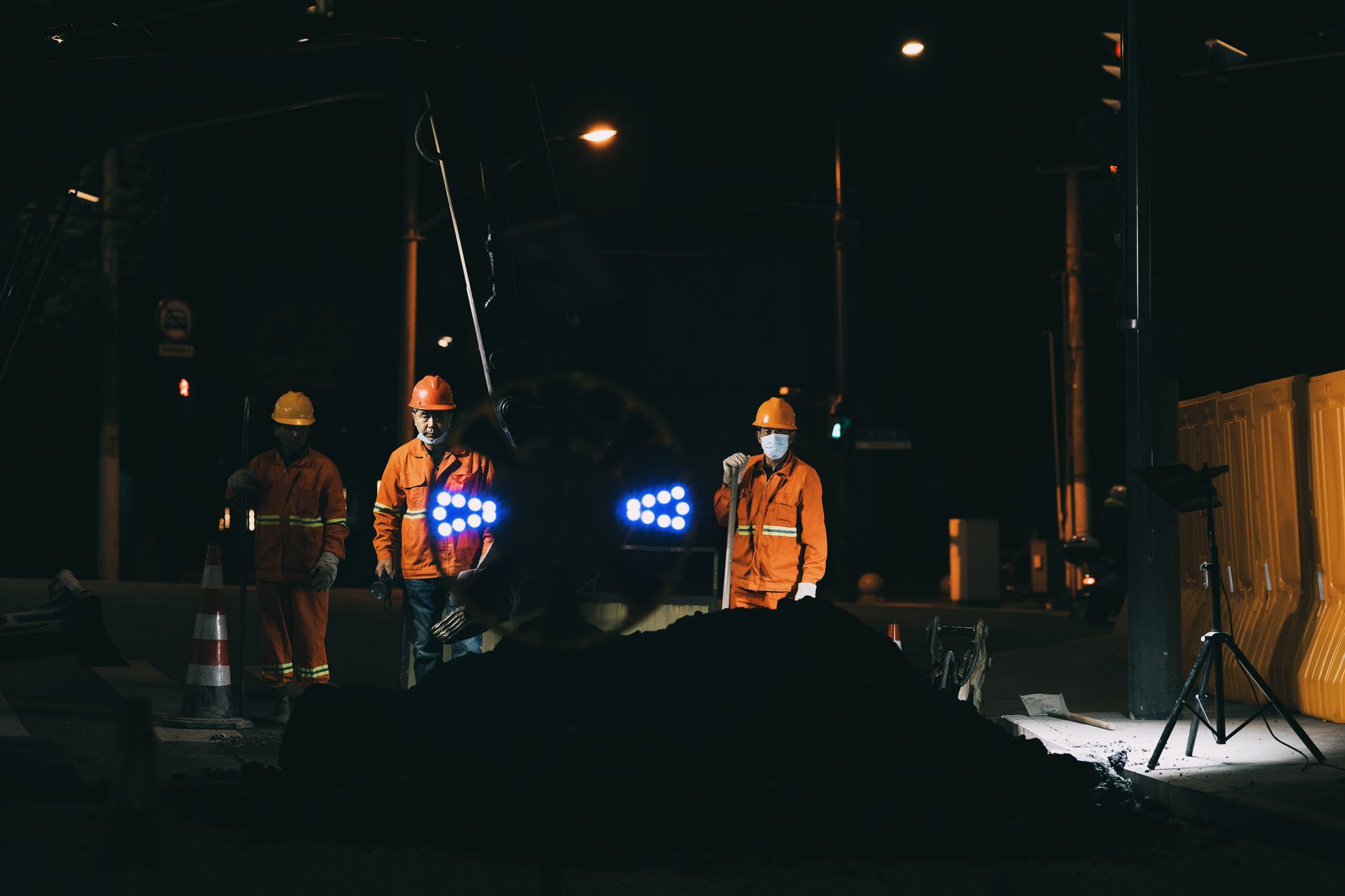
Why Connected Worker Instructions Validation for Night Shifts Needs Its Own Check
connected worker instructions validation for night shifts is a different job from validating the same instructions on days. The digital steps may be identical, but the crew, the supervision, and the hours change what actually happens on the floor. Anyone who has walked a line at 3 a.m. knows the room feels different: quieter, thinner on staff, and much less likely to have a second pair of eyes nearby when a step looks odd.
Night crews usually run with fewer supervisors, fewer engineers on call, and less informal help when something looks wrong. A work instruction that reads clearly at two in the afternoon can drift by three in the morning. An operator improvises a step, nobody sees it, and the record says the procedure was followed. Fatigue adds to the risk. The Occupational Safety and Health Administration’s guidance on shift work notes that night and rotating schedules can affect alertness and performance. Validation should check what people actually do, not what the screen says they should do. A practical way to test this is to compare the records from a night crew against a short observation sample taken during the same week. Look for places where the recorded sequence and the physical sequence don’t match.
Validating digital work instructions for night shifts means confirming that the same steps, limits, and sign-offs happen after dark as they do on days. Check that operators can reach the current revision, that timestamps and sign-offs are recorded, and that deviations go to someone who can act on them. Most gaps show up in those three places. It also helps to test the instructions on the actual night tablets and terminals. Screen brightness, glove use, and network coverage in the back bays can make a step harder to read or confirm than it looked in the office.
Night validation rarely fails in dramatic ways. It fails in small gaps, like a step skipped because the lead was busy or an old revision still sitting on a tablet. Those gaps add up quietly, which is why they deserve their own review. In most systems a torque step can appear completed correctly for months while the night crew works from a cached copy that lists an older value. The mismatch often surfaces only when someone compares screens during a changeover, which is why the night-specific review is justified.
Questions and Answers
Most teams setting up connected worker instructions validation for night shifts ask the same questions first. The answers below reflect how digital SOP systems are usually configured and where they tend to break down. Teams that already run quality checks on the floor often line these steps up with the approach at this resource. It covers the inspection logic in more depth.
How often should night shifts validate work instructions?
No standard sets one fixed number for every plant. A common pattern is a full walk-through of each instruction when a new revision goes live, then a weekly sample of high-risk steps. Sign-off records and open deviations are worth a daily look. Rotate the sampled steps so the same few tasks don’t get checked over and over while the rest drift. If a site has recently changed suppliers, tooling, or shift patterns, increase the sampling for a few weeks until the new routine settles. A closely related walkthrough, How to Roll Out Connected Worker Digital SOP Compliance Features, picks up where this section ends.
Who should sign off on night shift validation?
The operator confirms the steps, and the shift lead or supervisor verifies them. A quality engineer then reviews the logs at the start of the next week. Keep those roles separate. When the person doing the work also approves it, the review loses most of its value, and nobody is really checking anything. If a night site truly has only one supervisor, arrange for a remote reviewer to check the digital logs the following morning. There is still an independent set of eyes.
What should happen when a night step differs from day shift?
Stop treating it as a small matter. Find out whether the difference comes from a revision lag, a tooling difference, or a workaround someone invented. Record the deviation with the shift, the time, and the step number. Send it to a person who can decide, not to a chat thread that gets buried by morning. The operator shouldn’t be the one who settles it alone. A useful habit is to ask the operator what they would have done on days. The answer often reveals whether the night workaround is a real process gap.
How do you check timestamps on night entries?
Start by confirming that tablets and terminals sync their clocks to the plant server. Then compare completion times with the normal duration of each step. A cluster of sign-offs landing within the same second usually means someone batch-entered them later. Look for entries stamped before the work could physically be done. Those are the records that fail an audit first. Pay special attention to entries made during network outages. A device that reconnects after an hour offline can easily carry timestamps that no longer match the physical work.
What compliance features should you verify for night work?
Confirm that offline entries keep their original timestamps when they sync, that the system blocks outdated revisions, and that electronic signatures and audit trails are on. In regulated sites, the rules for electronic records are set out in 21 CFR Part 11. Test these features on a night shift, not only during a daytime demo, because offline behavior is easy to miss. Ask the vendor to show you how an audit trail looks when a supervisor edits a record after the fact. Make sure that edit is visible rather than silently overwritten.
Can a night validation checklist be the same as the day checklist?
The core checklist can match, but night versions usually need extra items. Add a line for network status at the start of the shift, a check that the on-call contact is reachable. Also note whether any step required a substitute tool or a verbal instruction. Those additions take a few minutes and often reveal the exact conditions under which errors happen.
Turning Night Findings Into Day Shift Fixes
Night validation only helps if the findings reach the day team. Summarize each week’s deviations in one short list, with the step, the shift, and the suspected cause. Day engineers can then fix the instruction, the tooling, or the training, instead of relearning the same lesson every Monday. A short written summary is usually more effective than a long meeting. It gives the day team something concrete to act on before the next run.
Keep the checks the same every time you run them. Use one short checklist: current revision visible, sign-offs complete, timestamps plausible, offline entries synced, and deviations logged. A simple version like this works in most plants. Many teams also find that a digital work instructions software platform makes these checks easier to repeat. The audit trail and revision control live in one place. When the checklist is stable, trends become visible across months rather than disappearing into a pile of individual shift notes.
About this guide: This article draws on general shift-work guidance and common practice for digital work instructions, and it does not describe any single facility.
- How to Roll Out a Connected Worker Digital SOP Compliance Program Across Shifts and Sites
- Which Safety Analysis Method Fits Your Job: JSA, JHA, or a Risk Assessment?
- How Do Connected Worker Tools Support Layered Audits on the Shop Floor?
- Which Connected Worker Tools Fit Food Manufacturing Compliance Needs?
- Are Connected Worker Tools Ready for Safety Inspections in Heavy Industry?
Related Posts

Which Fits Your Job: JSA Job Safety Analysis, JHA or Risk?
Where JSA, JHA, and Risk Assessments Overlap Where JSA, JHA,…

What does ‘connected worker’ actually include: platform capabilities versus software features
What does 'connected worker' actually include: platform capabilities versus software…

Which value categories belong in your connected worker ROI model
Connected Worker ROI Models Need Clear Value Categories Connected Worker…