The Importance of Evidence Flow in Connected Worker Inspections

Quality managers and compliance teams in manufacturing face constant pressure to maintain audit-ready records during every inspection. Evidence flow comparison for connected worker inspection management reveals how different platforms handle the journey from initial detection to final escalation. This matters because incomplete records lead to failed audits, production delays, and increased scrap rates. The article examines capture methods, verification steps, exception handling, and long-term traceability across common tool types. Readers will see concrete differences that affect daily shift operations and regulatory compliance. In practice, teams that overlook evidence flow often discover gaps only during surprise audits, when missing timestamps or unattached sensor logs force costly rework. When handwritten entries cannot be verified against machine data from the same shift, production time is lost while records are reconstructed.
Evidence flow comparison for connected worker platforms shows clear gains. Modern connected worker platforms improve inspection evidence handling by embedding data capture directly into operator workflows rather than relying on separate reporting steps. This integration means an operator checking torque values on an assembly line can automatically pull the current machine calibration record without leaving the station. The approach also supports real-time dashboards that surface trends across multiple lines, helping supervisors spot recurring issues before they escalate into scrap events. When evidence capture becomes part of the natural rhythm of work, compliance stops feeling like an extra burden and starts contributing directly to quality metrics.
Core Elements of Evidence Flow in Inspection Systems
Point of Work Data Capture Mechanisms
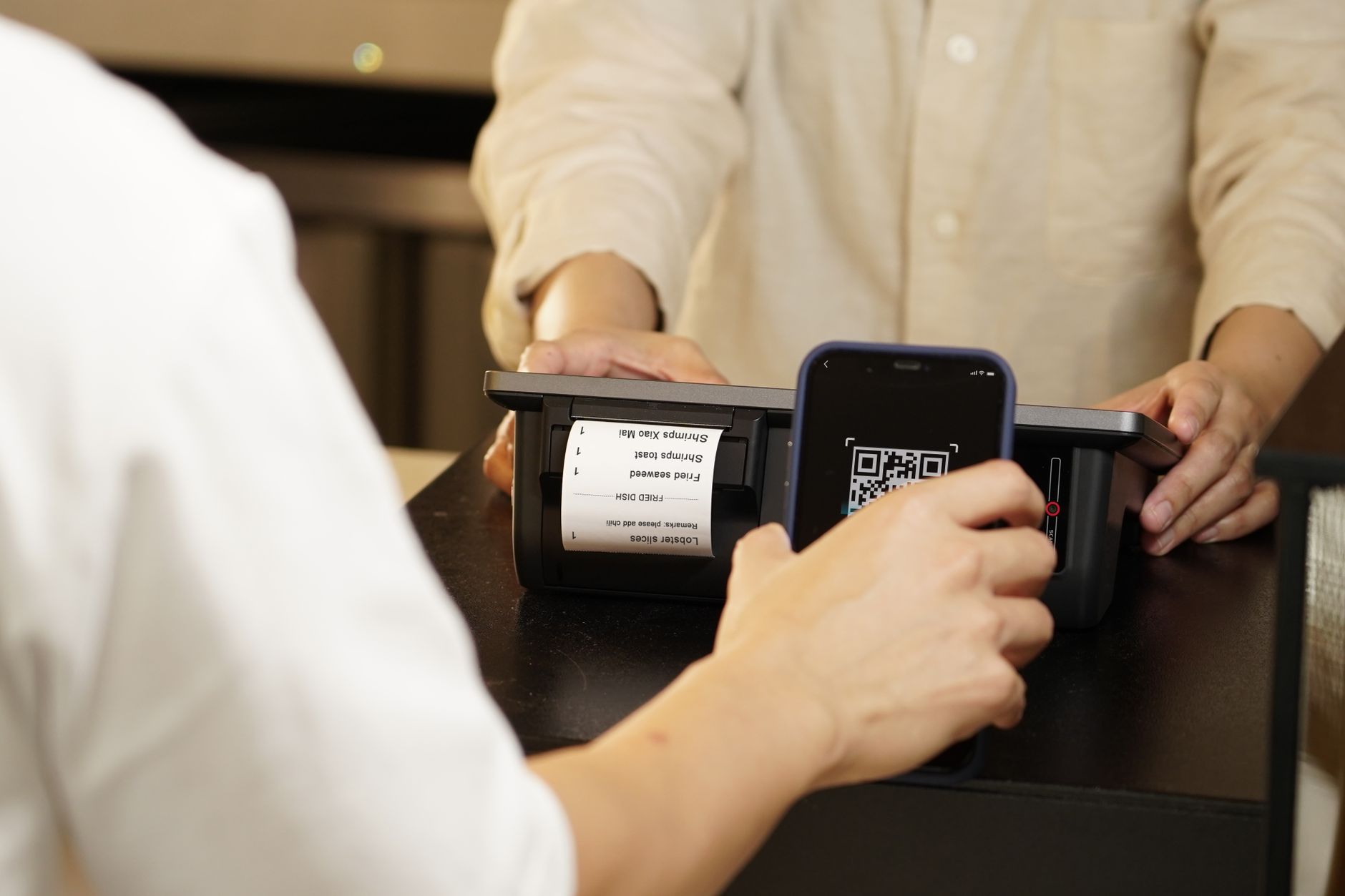
Effective inspection tools record observations at the exact moment they occur on the factory floor. Most legacy systems allow free-text notes or simple checkboxes, yet they rarely tie those entries to machine data or SOP versions in real time. Advanced platforms pull sensor readings, operator identity, and timestamp automatically when a task opens. This reduces transcription errors that commonly appear in paper logs or disconnected spreadsheets. For instance, when an operator flags a dimensional deviation, the system can attach the current machine parameter log without extra clicks. Such integration proves especially useful during changeovers when multiple variables shift quickly. Linking handheld gauges directly to inspection tasks ensures every reading carries an automatic timestamp and operator badge number, which reduces measurement errors across shifts.
Practical tip: choose platforms that support both barcode scanning and NFC tags so operators can confirm the correct part and tool in one motion. Voice-to-text options also help when workers wear thick gloves or work in areas where typing is impractical. These small design choices often determine whether evidence gets captured consistently or skipped under time pressure.
Verification and Approval Workflows
Evidence flow comparison for connected inspection systems highlights immediate checks. Once data enters the system, verification determines whether the record holds up under audit scrutiny. Basic digital forms often route entries to a supervisor inbox for manual review hours or days later. In contrast, platforms built for connected worker software audit inspection management comparison embed rule-based checks that flag missing fields or out-of-range values immediately. Operators receive prompts to add photos or measurements before closing the task. This front-line validation cuts the volume of rework that compliance teams later discover during monthly reviews. The result appears in fewer audit findings related to incomplete evidence chains. Adding conditional logic so a torque reading outside tolerance automatically requires a second photo of the fastener before the task can close reduces follow-up questions from auditors during reviews.
Exception Tracking and Escalation Paths
Evidence flow comparison for connected worker inspection management shows clear differences in how platforms route these items. Some tools create static task lists that supervisors must monitor manually. Others link exceptions directly to work-order creation and notify the right roles based on shift schedules and skill matrices. When a quality deviation exceeds a preset threshold, the system can auto-generate a containment action and attach the original inspection record. This closed-loop approach prevents the common problem of exceptions disappearing between shifts. In most systems an out-of-spec reading triggers an immediate hold on the batch and notifies the quality engineer on call regardless of the hour.
Audit Trail Strength and Retention
Regulated manufacturing environments demand immutable records that survive system upgrades and personnel changes. Evidence flow comparison for connected worker inspection management highlights platforms that maintain version history for every field change along with user identity and reason codes. Less mature tools overwrite entries or store attachments outside the main database, creating gaps that auditors notice quickly. Strong systems export standardized reports aligned with standards such as 21 CFR Part 11 requirements for electronic records. Evidence flow comparison for connected worker inspection management walks through how these criteria play out in practice across shift teams that handle both routine checks and non-routine events. Long-term retention also benefits from cloud-based storage with automatic backups so records remain accessible even after hardware refreshes on the plant floor. This pairs well with Connected worker inspection management comparison: point-of-work…, which works through concrete examples.
Side-by-Side Platform Comparison Table

| Capability | Paper or Spreadsheet | Basic CMMS Module | Connected Worker Platform |
|---|---|---|---|
| Real-time sensor linkage | None | Limited via manual entry | Automatic with device sync |
| Photo and measurement attachment | Manual filing | Optional upload | Required at task close |
| Exception auto-escalation | Supervisor review | Rule-based alerts | Role and shift-aware routing |
| Audit export format | Scanned PDFs | CSV reports | Structured XML with signatures |
Evidence flow comparison for connected platforms shows why the table illustrates many quality teams now evaluate connected worker software audit inspection management comparison projects before renewing legacy licenses. Teams that move beyond basic modules report faster close-out times for corrective actions and fewer repeat findings in external audits. Switching to a platform that auto-generates compliant reports with embedded signatures reduces audit preparation time from multiple days to a few hours.
Practical Considerations for Implementation
Evidence flow comparison for connected deployments guides selection. Selecting a platform requires attention to device constraints on the floor. Operators using gloves need large touch targets and voice input options rather than lengthy typing sequences. Offline capability becomes essential in areas with intermittent network coverage, allowing evidence to queue until connectivity returns. Integration depth with existing quality and maintenance systems determines whether evidence remains siloed or flows into broader dashboards used by plant leadership. Change management also plays a role, since frontline adoption determines whether the new evidence flow actually gets used consistently. A helpful tip is to run a two-week pilot on one high-volume line first, measuring both completion rates and operator feedback before scaling plant-wide. This approach surfaces hidden issues like glare on screens or confusing prompts that only appear under real production conditions.
Device and Environment Considerations
Evidence flow comparison for connected hardware choices matters on the floor. Factory floors often include extreme temperatures, dust, and vibration that can affect tablet or phone performance. Ruggedized devices with IP-rated cases and extended battery life help maintain reliable evidence capture even during long shifts. Some teams also add anti-glare screen protectors so operators can review photos in bright lighting without errors.
Questions and Answers
How does evidence flow differ between paper-based inspections and connected platforms?
Paper processes rely on handwritten notes that must be transcribed later, creating delays and transcription risks. Connected platforms capture observations, measurements, and photos at the point of work with automatic timestamps and user attribution. This reduces the time between detection and escalation while producing records that meet regulatory formatting standards without extra manual effort.
What role does SOP linkage play in maintaining evidence quality?
Linking the current SOP version to each inspection task ensures operators follow the approved procedure rather than outdated instructions. When deviations occur, the system records which step triggered the exception. This traceability supports root-cause analysis and demonstrates compliance during audits without requiring separate document control reviews.
Can connected worker tools handle both routine and non-routine inspections?
Yes. Routine tasks use standardized templates with pre-filled data from sensors. Non-routine events allow flexible forms that still enforce required fields such as photos and sign-offs. The same backend audit trail applies to both categories, simplifying reporting across the full inspection program.
How do these platforms support scrap and quality metric tracking?
By capturing inspection outcomes at the point of work, systems can correlate adherence to specific SOP steps with downstream scrap rates. Supervisors receive alerts when patterns emerge, such as repeated measurement failures on a particular station. This direct connection helps teams adjust processes before quality issues accumulate into larger production losses.
What training do operators typically need for new evidence capture tools?
Most operators adapt within one or two shifts when interfaces use large buttons, guided workflows, and optional voice input. Training focuses on recognizing when evidence capture is complete rather than on data entry mechanics. Supervisors monitor completion rates during the first weeks to address any friction points quickly.
How does offline mode affect evidence integrity during network outages?
Offline mode stores entries locally with full timestamps and then syncs automatically once connectivity returns. The platform applies the same validation rules upon upload, so no records are lost or altered. Teams in remote facilities often test this feature during planned maintenance windows to confirm smooth recovery.
What metrics should leaders track after implementing a new evidence platform?
Track task completion rates, time to close exceptions, and audit finding reductions. Many plants also monitor correlation between inspection adherence and scrap percentages to quantify ROI within the first quarter of use.
Key Takeaways for Operations Leaders
Evidence flow comparison for connected worker inspection management shows that the strongest platforms combine automatic data capture, immediate verification, and structured escalation. These features reduce audit preparation time while improving the link between daily inspections and quality outcomes. Teams evaluating options should test how each tool behaves during both scheduled checks and unexpected events on the floor. The right choice supports compliance without adding friction for shift workers who already manage multiple responsibilities. Leaders who invest time in pilot testing and change management typically see faster adoption and stronger connections between SOP adherence and reduced scrap rates at the point of work.
You May Also Like
- Connected worker inspection management comparison: point-of-work evidence to escalation
- Generate the most common questions users ask about connected worker software: evidence, security, offline work, and unions
- Connected worker solution rollout for unionized frontline workforces: sequencing that protects trust
Related Posts
What manufacturers gain from connected worker platforms
What manufacturers gain when a worker platform is connected end…
Connected Worker Platform Fit for Manufacturing Integrations: A Checklist for Data, Devices, and Governance
Connected Worker Platform Fit for Manufacturing Integrations: A Checklist for…
Implementing connected worker solutions: workflow design, integrations, and rollout sequencing
Workflow design for operational adoption Everything You Should Know About…